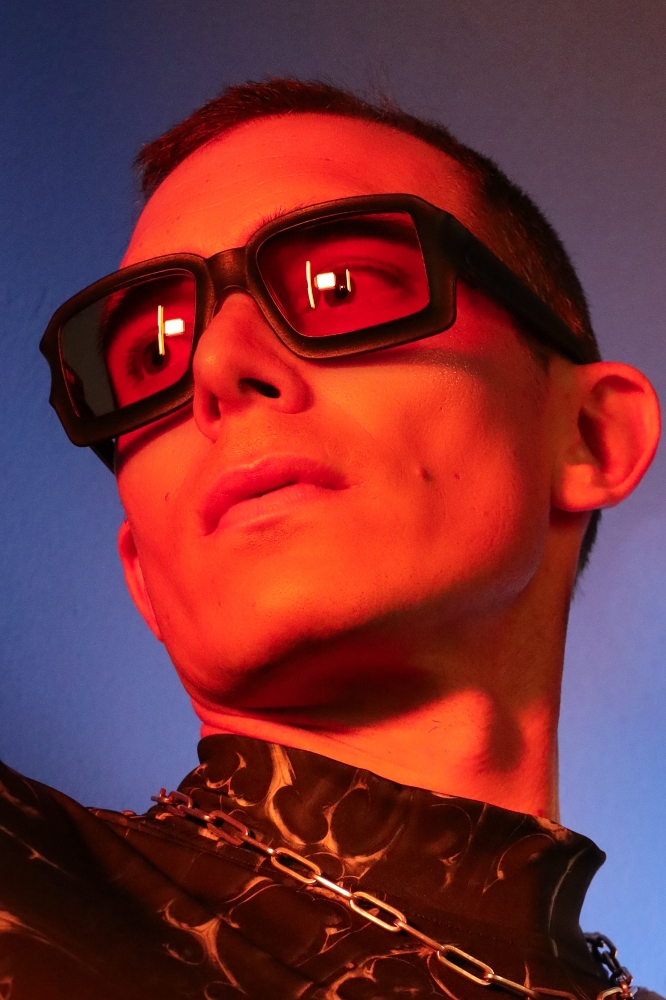
REFRAMD Fit
Deriving a modular, standardized fit system from aggregated human data
REFRAMD Fit is a system for designing eyewear that responds to the diversity of human facial geometry. It is developed through the analysis of large sets of facial scan data, identifying recurring patterns in how faces differ and how those differences affect fit.
Rather than designing for a single average or fully customizing each frame, the system defines a small number of standardized fit categories that accommodate a wide range of users. This approach enables consistent, scalable product design while improving comfort, stability, and wearability.
Design Evolution
REFRAMD initially explored full customization, generating individual frames directly from facial scan data. This approach enabled a high level of personalization, but also revealed limitations in scalability, production efficiency, and consistency across outcomes.
Through this process, it became clear that much of the variation in facial geometry could be grouped into recurring patterns. This led to a shift toward defining a modular fit system, where individual variability is abstracted into a finite set of standardized configurations.
This transition established a more balanced model – retaining the benefits of personalization while enabling reliable production and consistent design language.
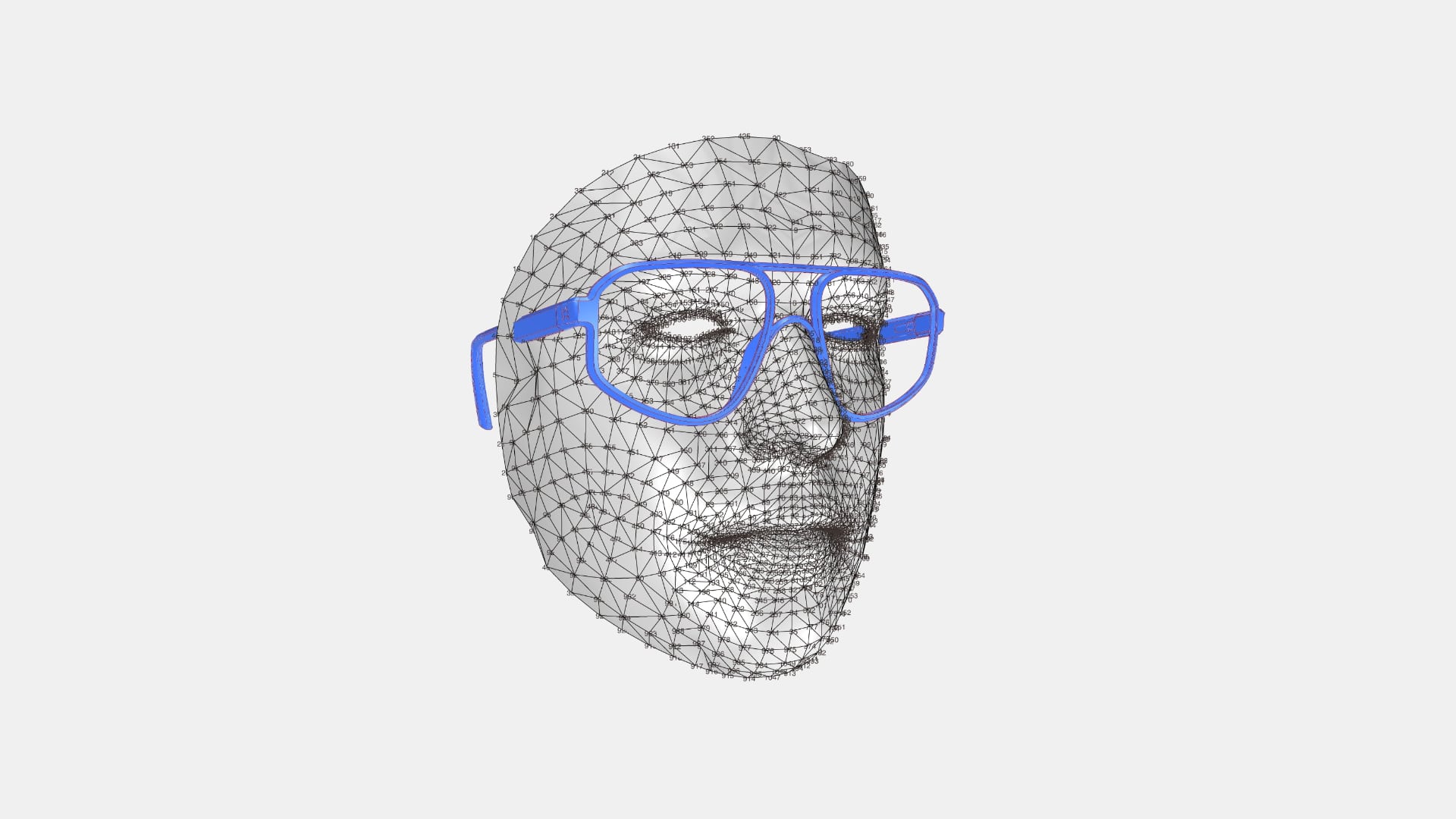
Human Data
REFRAMD Fit is based on the analysis of a large dataset of facial scans. From this data, key parameters – such as bridge width, bridge height, and nose angle – were identified as the primary drivers of fit.
Rather than treating each scan individually, the data was analysed to identify recurring patterns in facial geometry. These patterns form the basis for defining distinct fit categories, each representing a specific relationship between facial features and frame geometry.
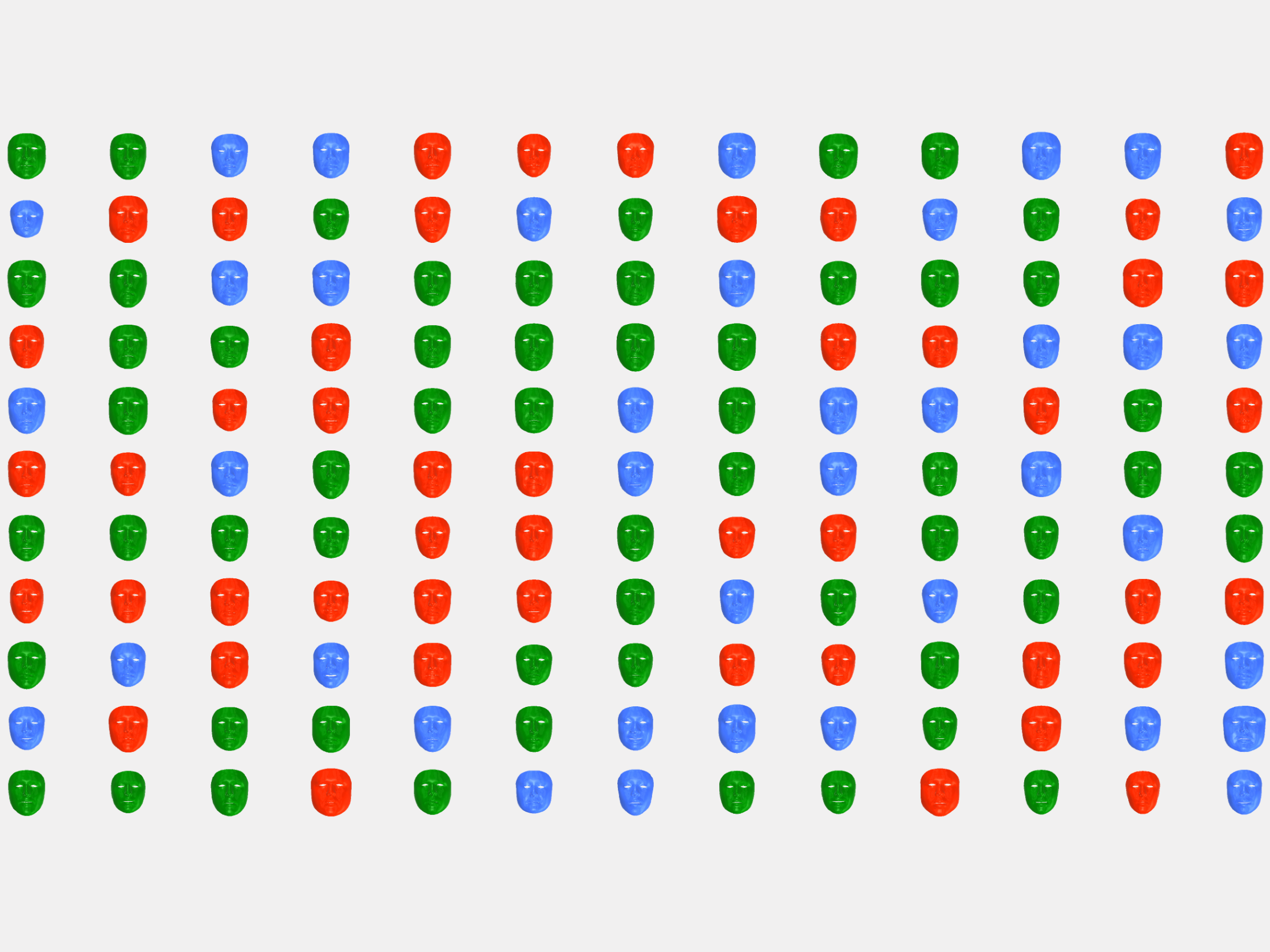
Data Analysis
Using the available facemesh data, I applied clustering algorithms to identify dominant morphological patterns within the dataset. The analysis focused particularly on nose bridge attributes, which had already emerged as the most critical factor influencing frame fit and comfort.
This process revealed recurring relationships between key parameters such as bridge width, height, and angle. By grouping these patterns, individual variations could be reduced into a manageable set of morphological categories that meaningfully influence product performance.
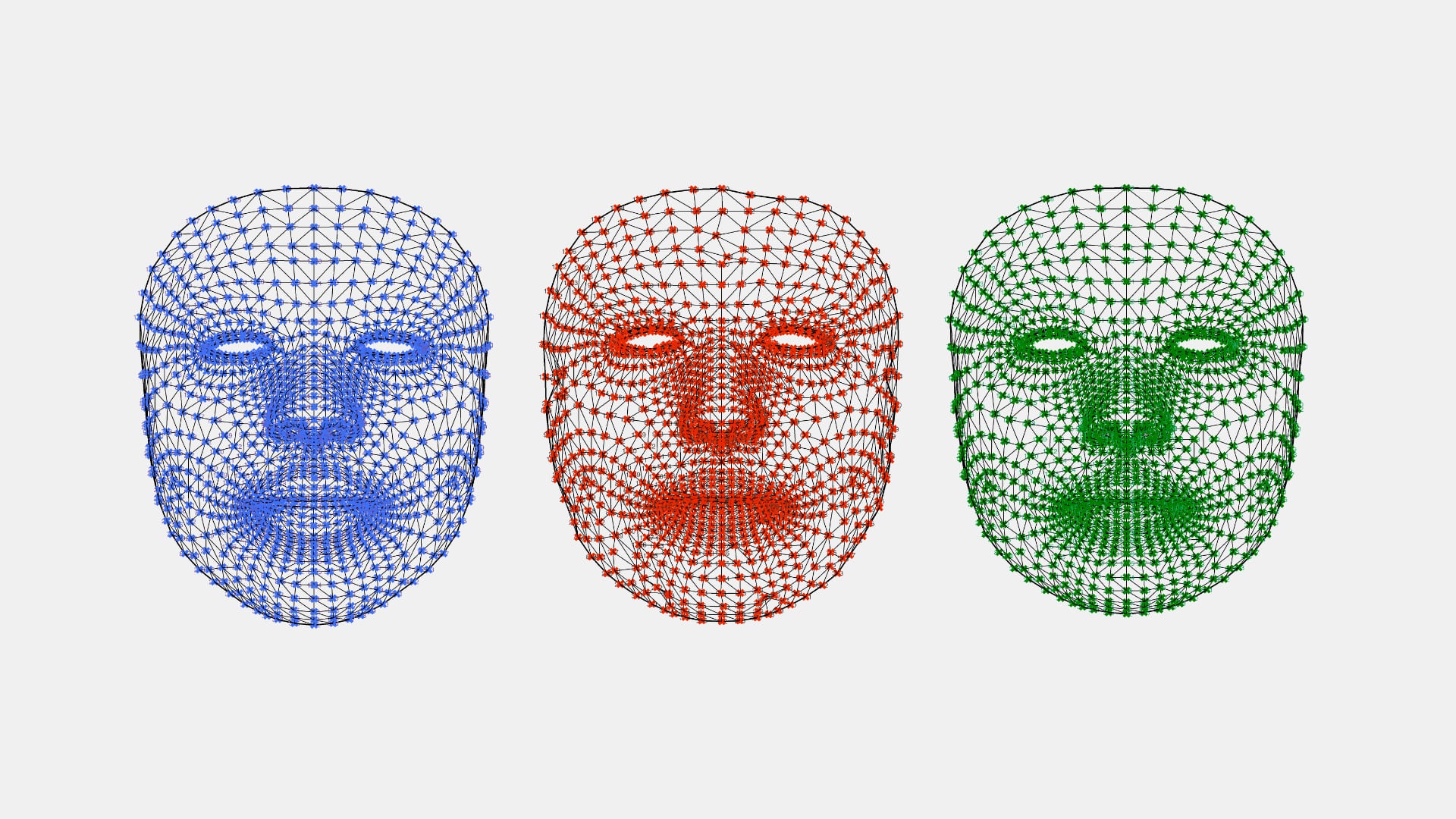
System Derivation
Building on the analysis, I translated hundreds of individual fittings into a parametric fit framework. Using computational methods such as categorization and data normalization, the system reduces complex variation into a structured set of relationships that directly inform design.
This shift transformed a purely bespoke process into a scalable system, while preserving the ergonomic insights derived from individual fittings.
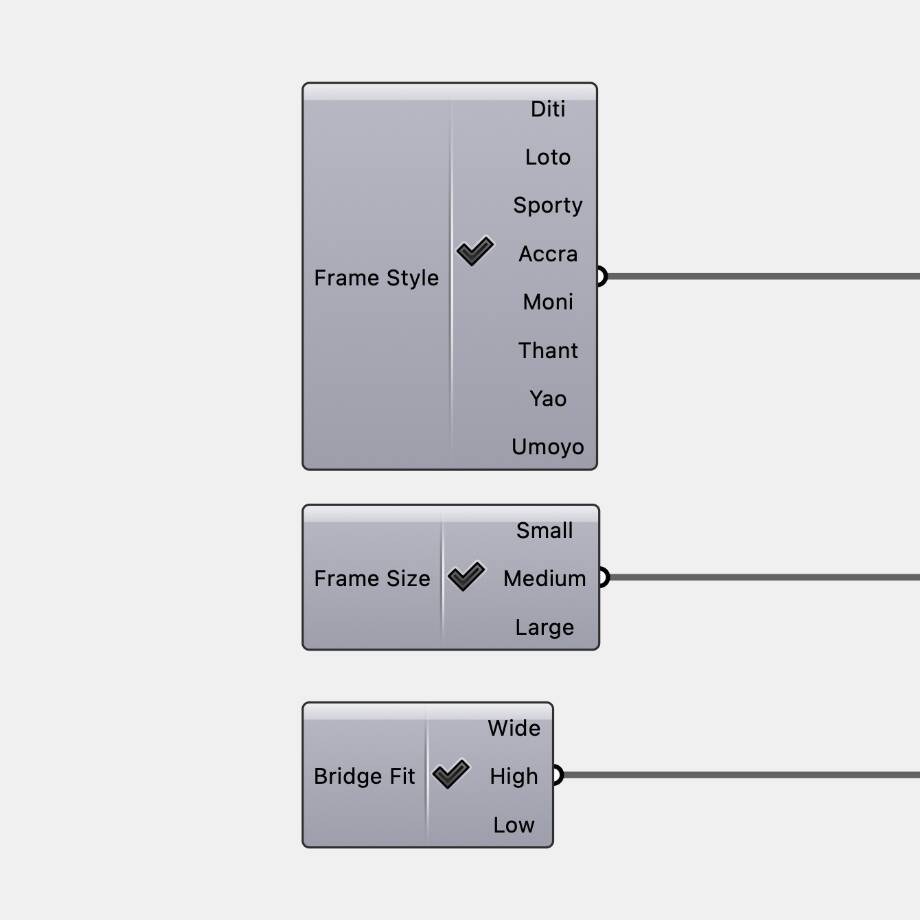
Fit Categories
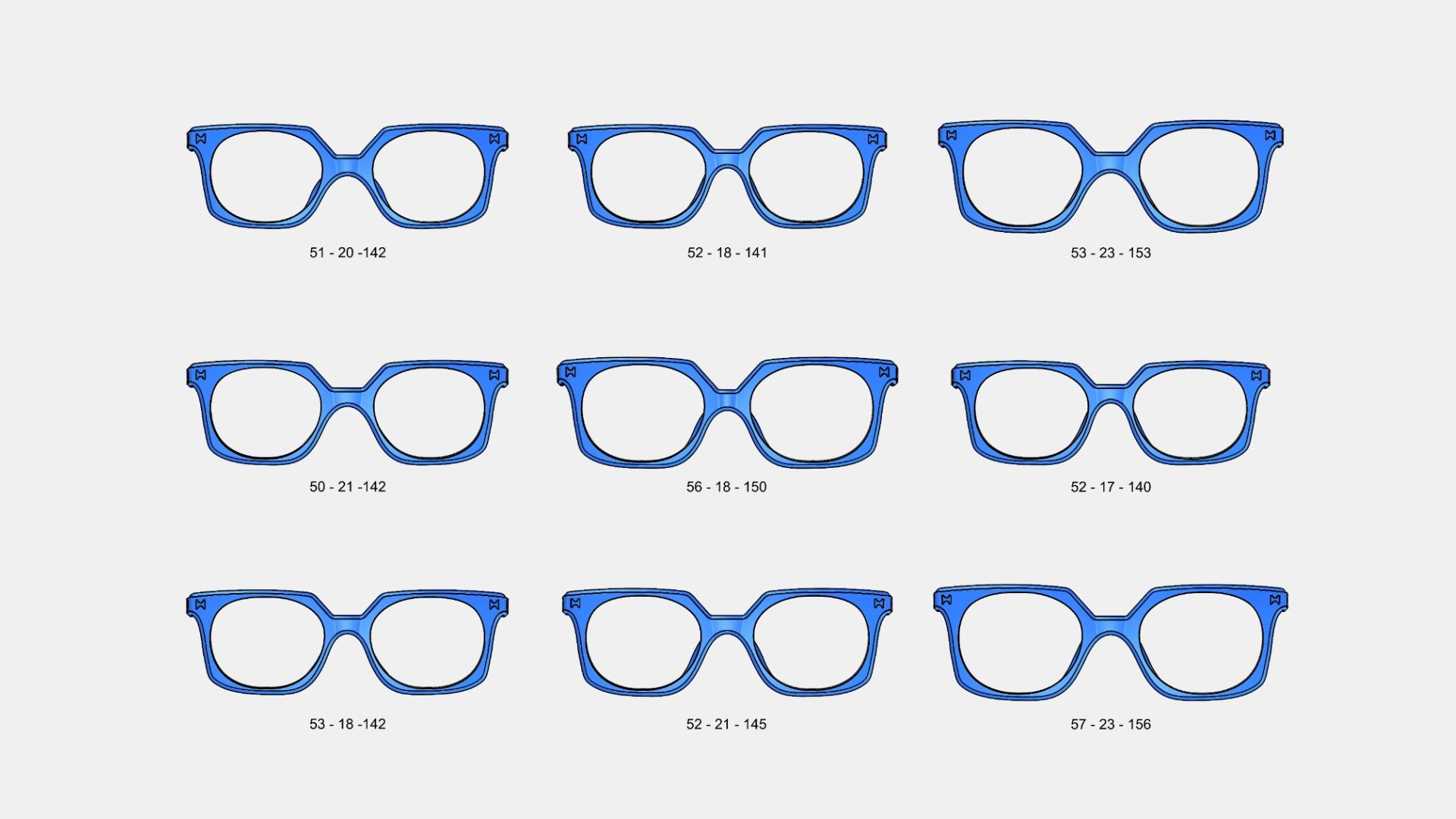
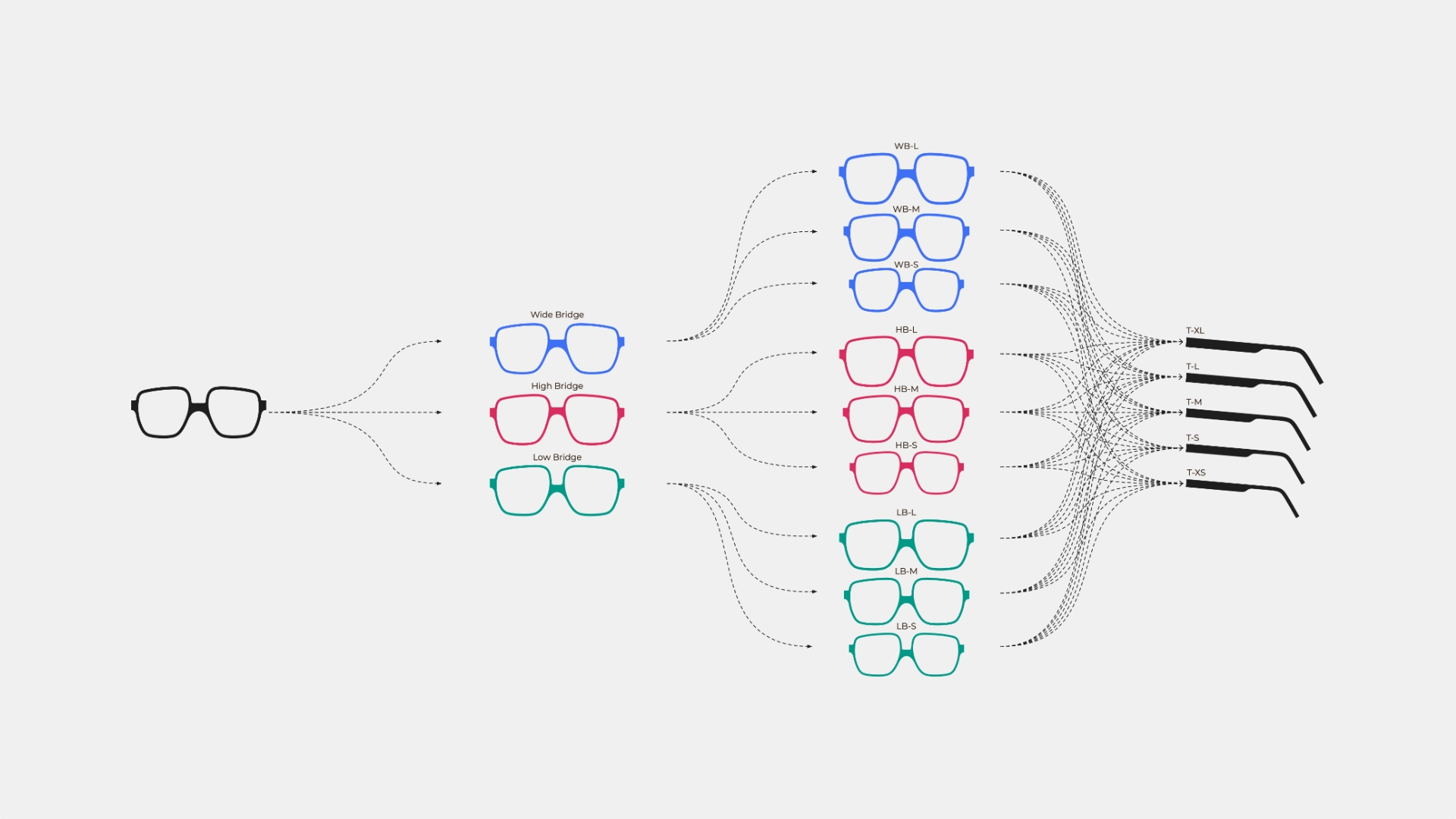
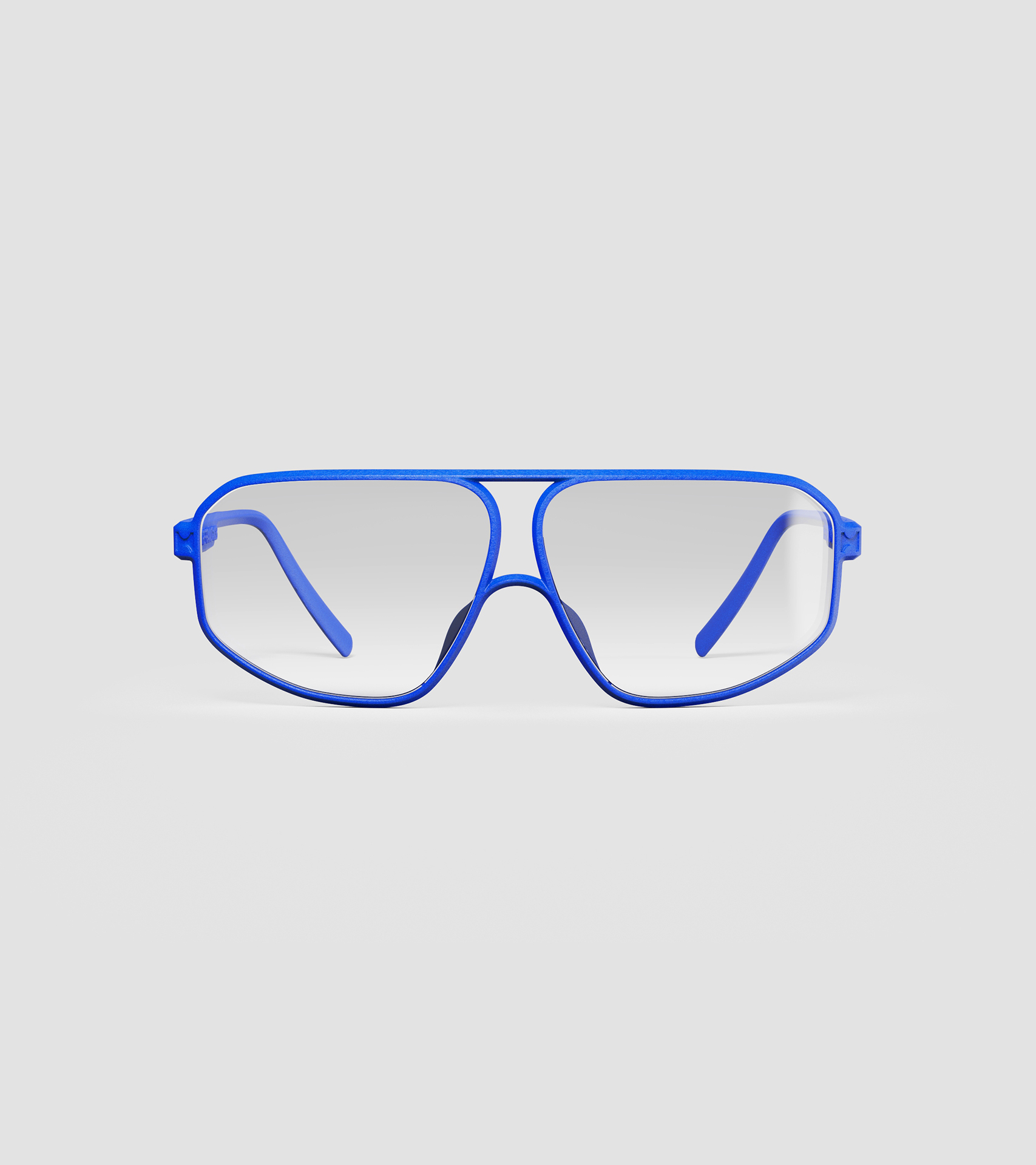
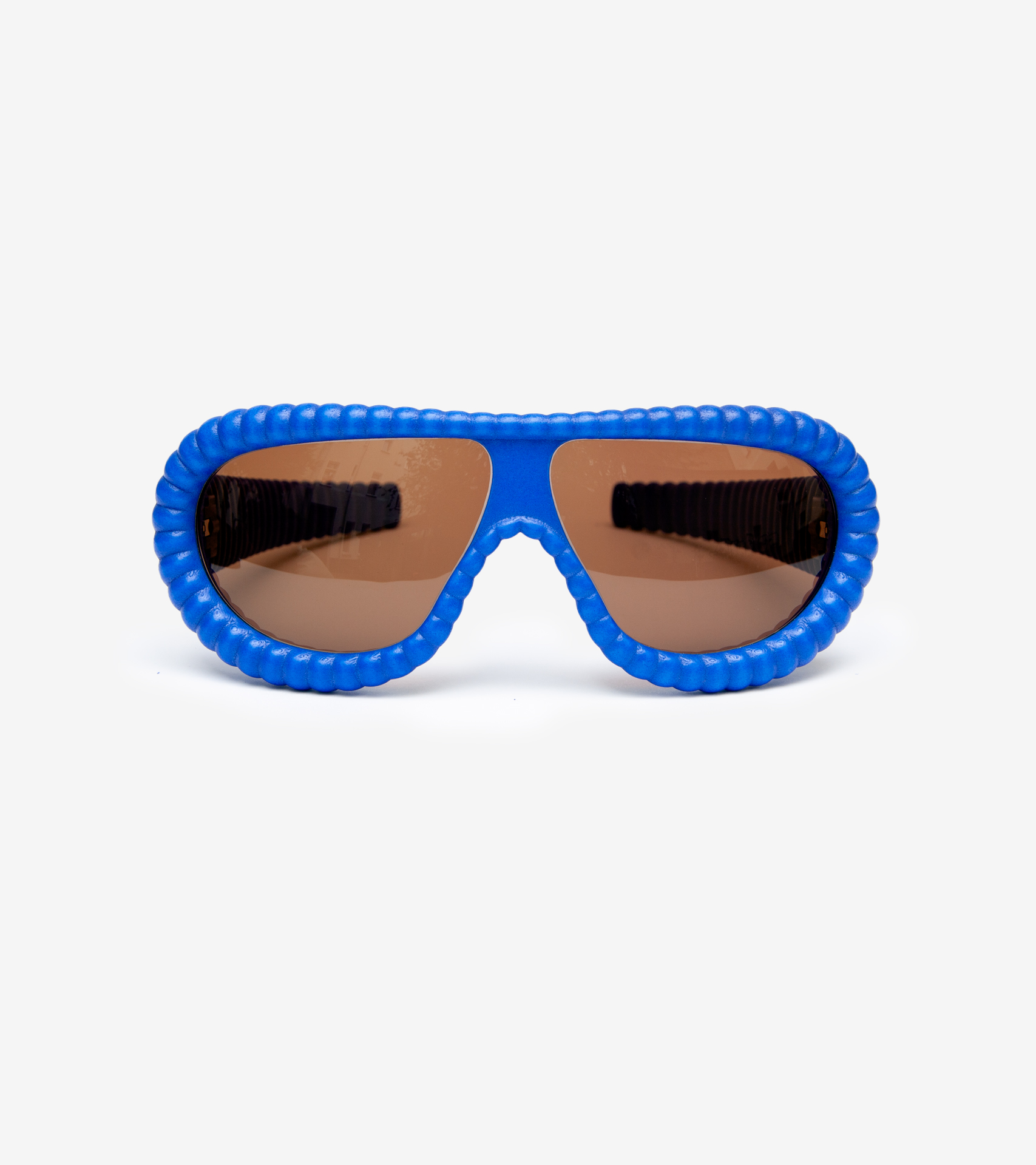
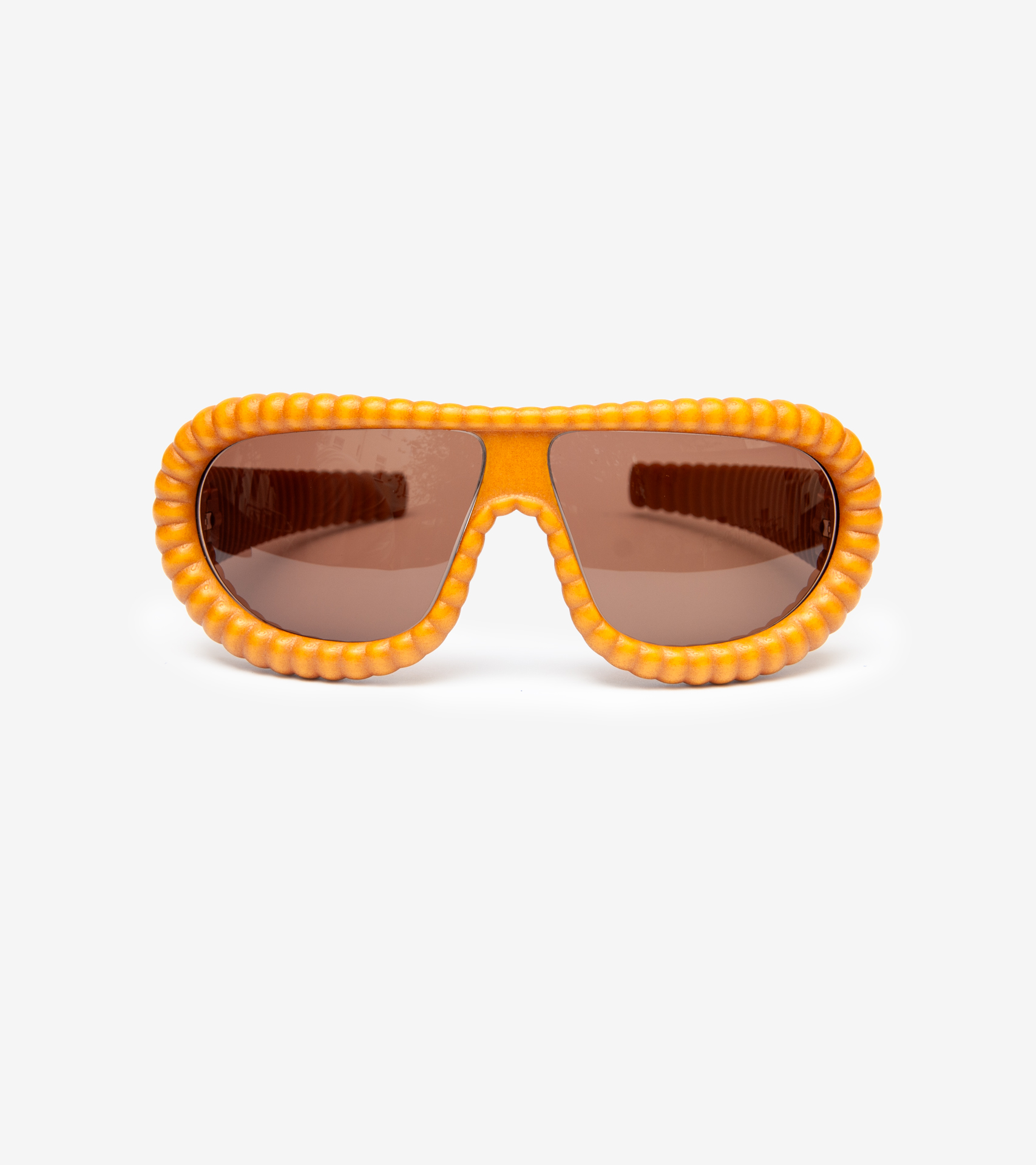
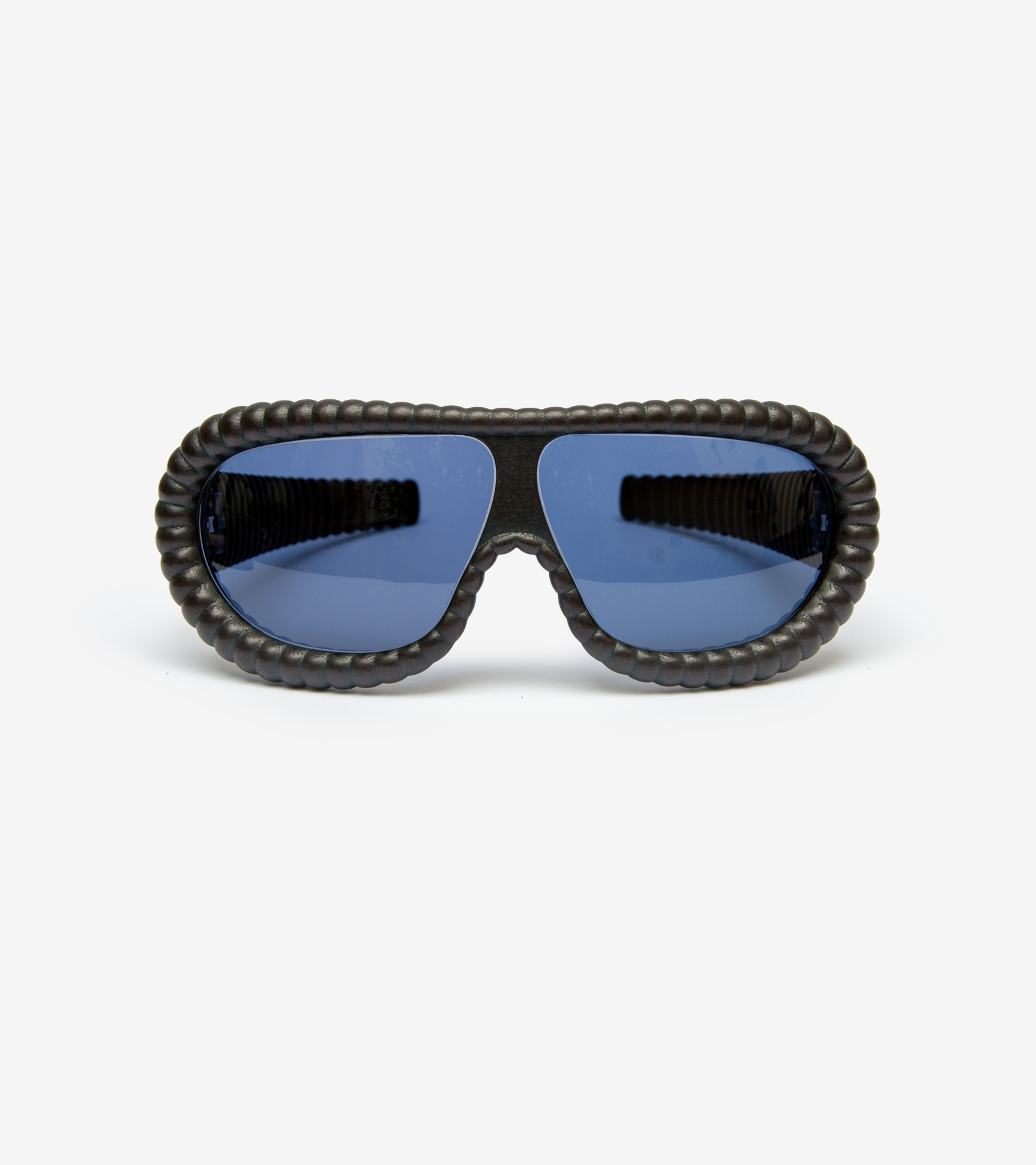
The system defines three primary nose bridge profiles -Low Bridge, Medium Bridge, and High Bridge -combined with multiple frame widths and temple lengths.
These categories capture the most significant variations in facial geometry affecting eyewear fit. Each category corresponds to a specific geometric configuration, allowing frames to be produced in multiple fit variations while maintaining a consistent design language.
From Data to Geometry
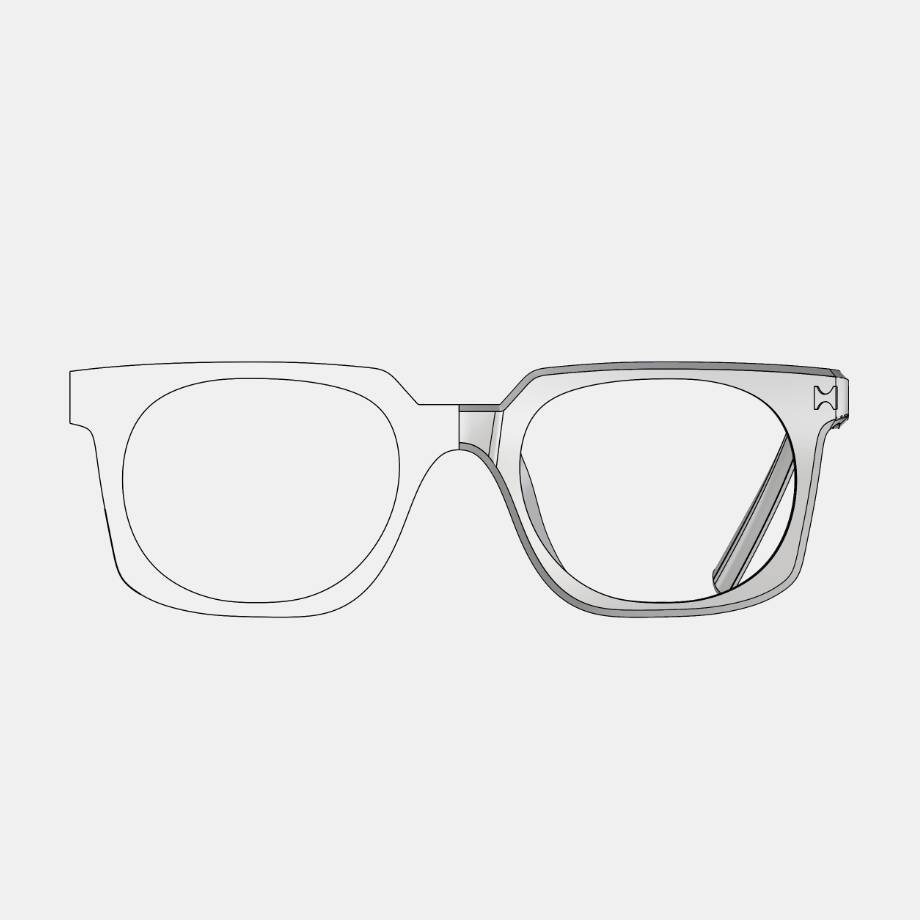
Once the fit categories are defined, they are translated into geometric rules that control the frame. These rules determine key aspects such as bridge shape, frame width, and the positioning of contact points.
Each frame is developed within this structure, ensuring that variations in fit are applied systematically rather than manually. This creates a direct link between aggregated human data and product geometry, embedding fit into the design process from the outset.
System Application
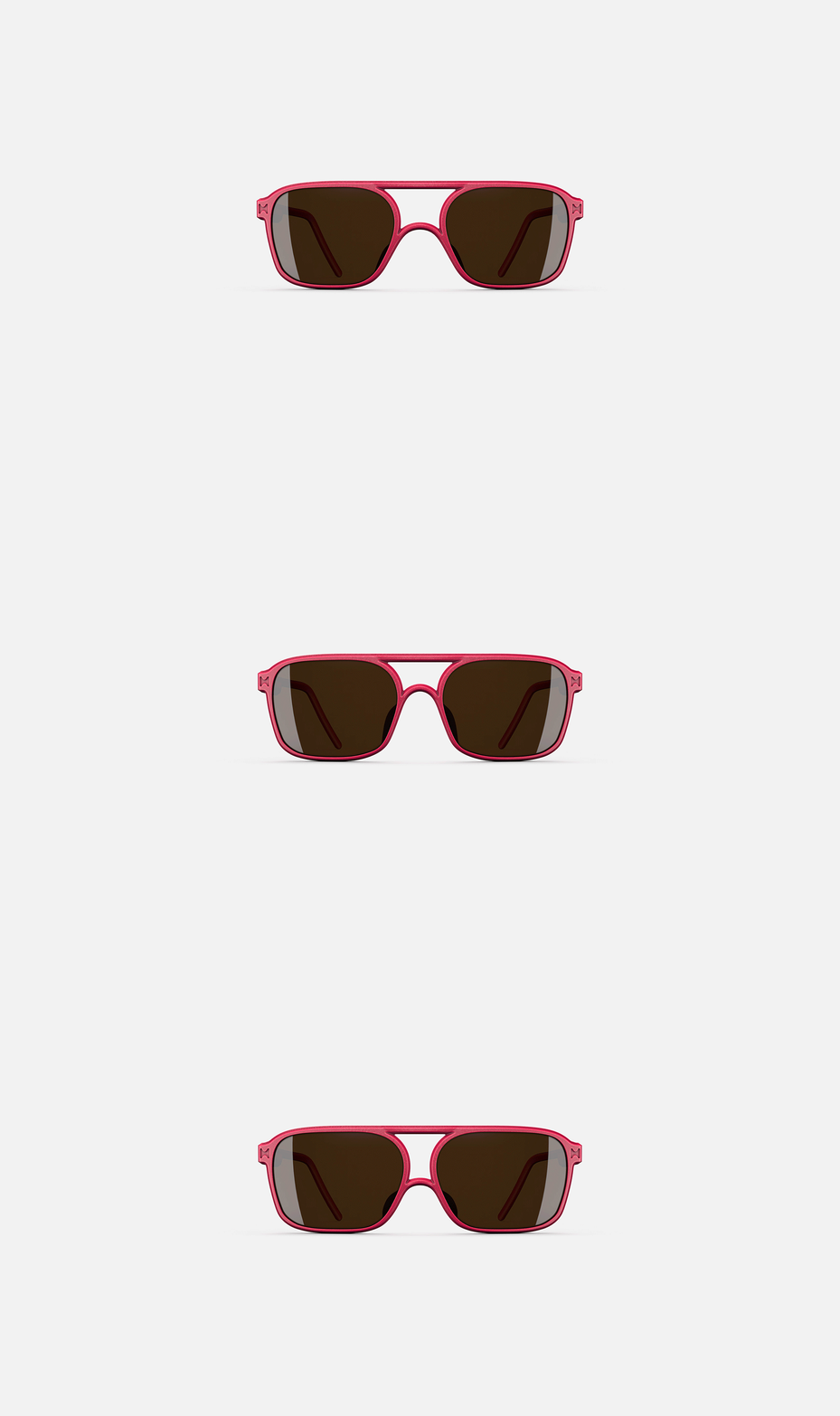
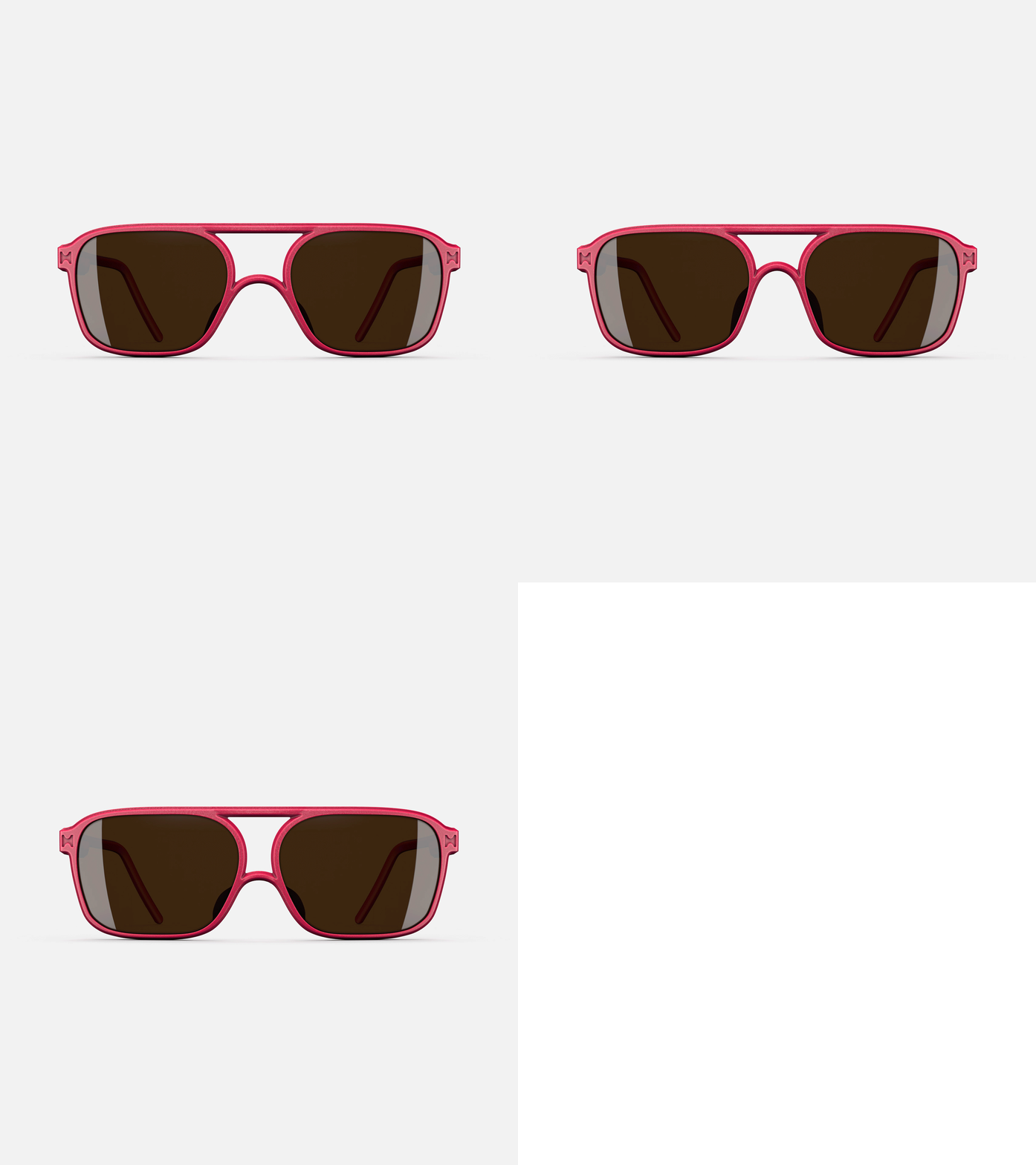
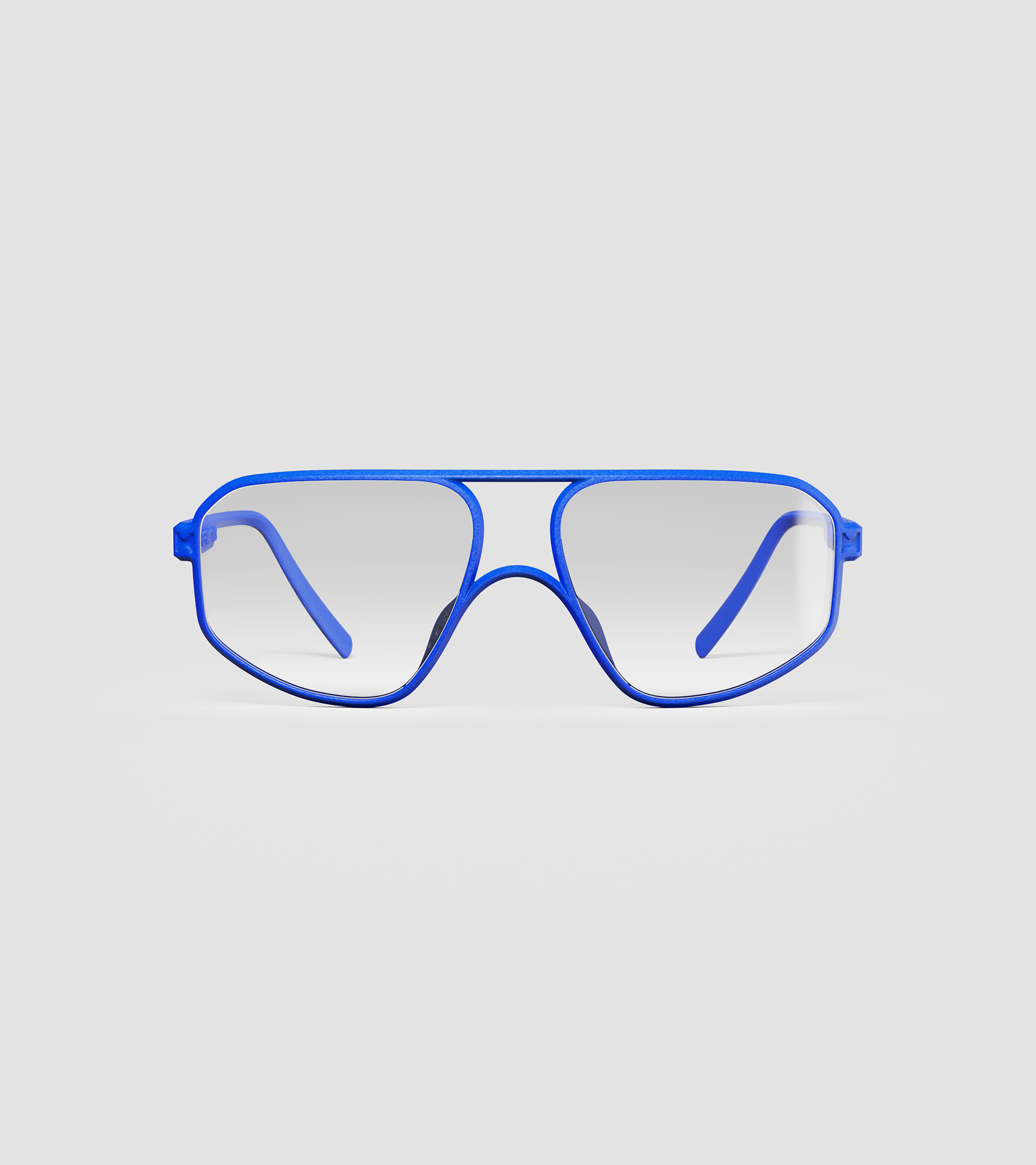
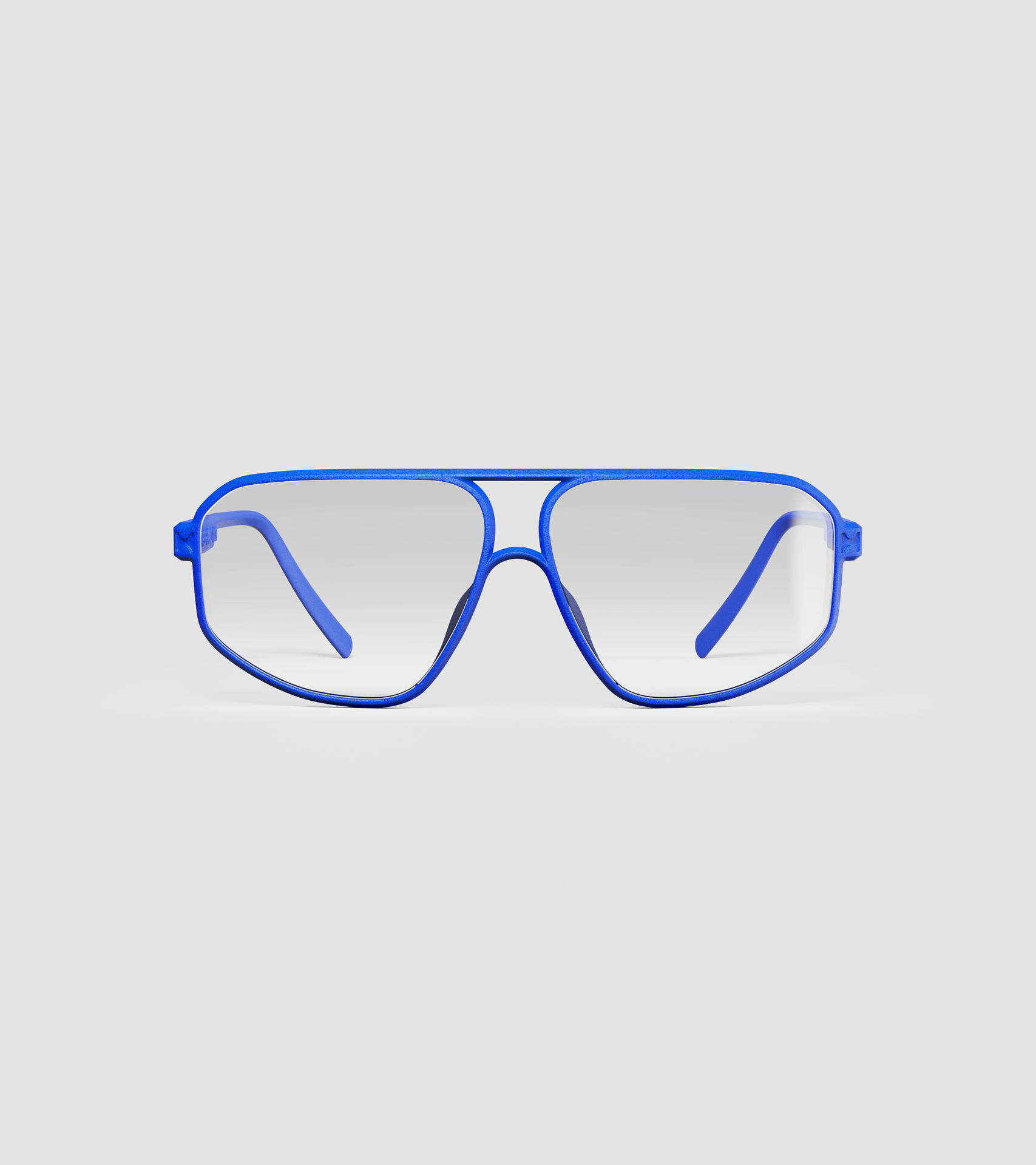
REFRAMD Fit is applied across collections, where each design is developed once and then produced in multiple fit variations. This allows a single design language to accommodate a wide range of users without redesigning the product.
The system enables scalability while maintaining both performance and visual consistency.
Wide Bridge
High Bridge
Low Bridge
Wideg Bridge
High Bridge
Low Fit
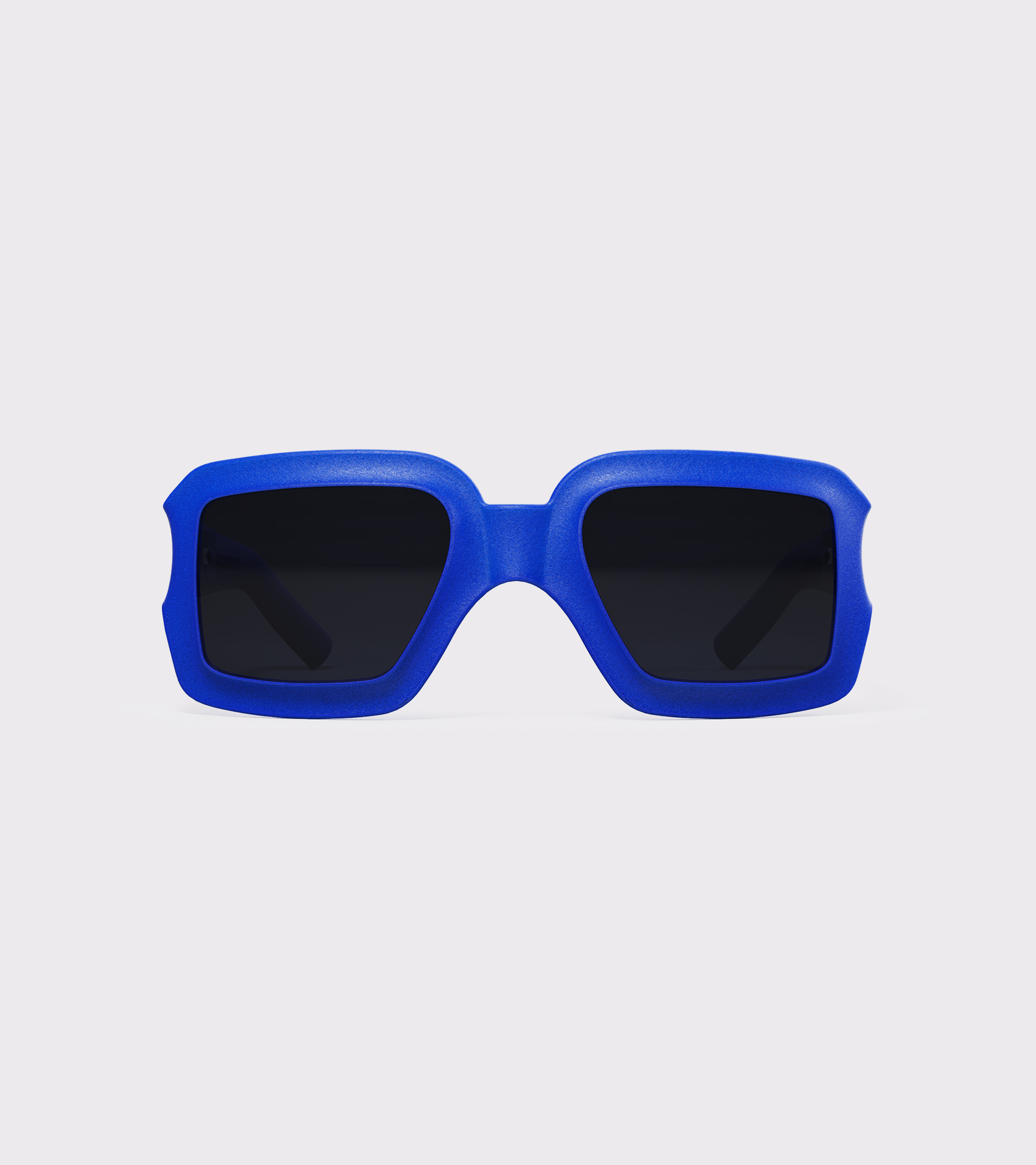
Wide Bridge
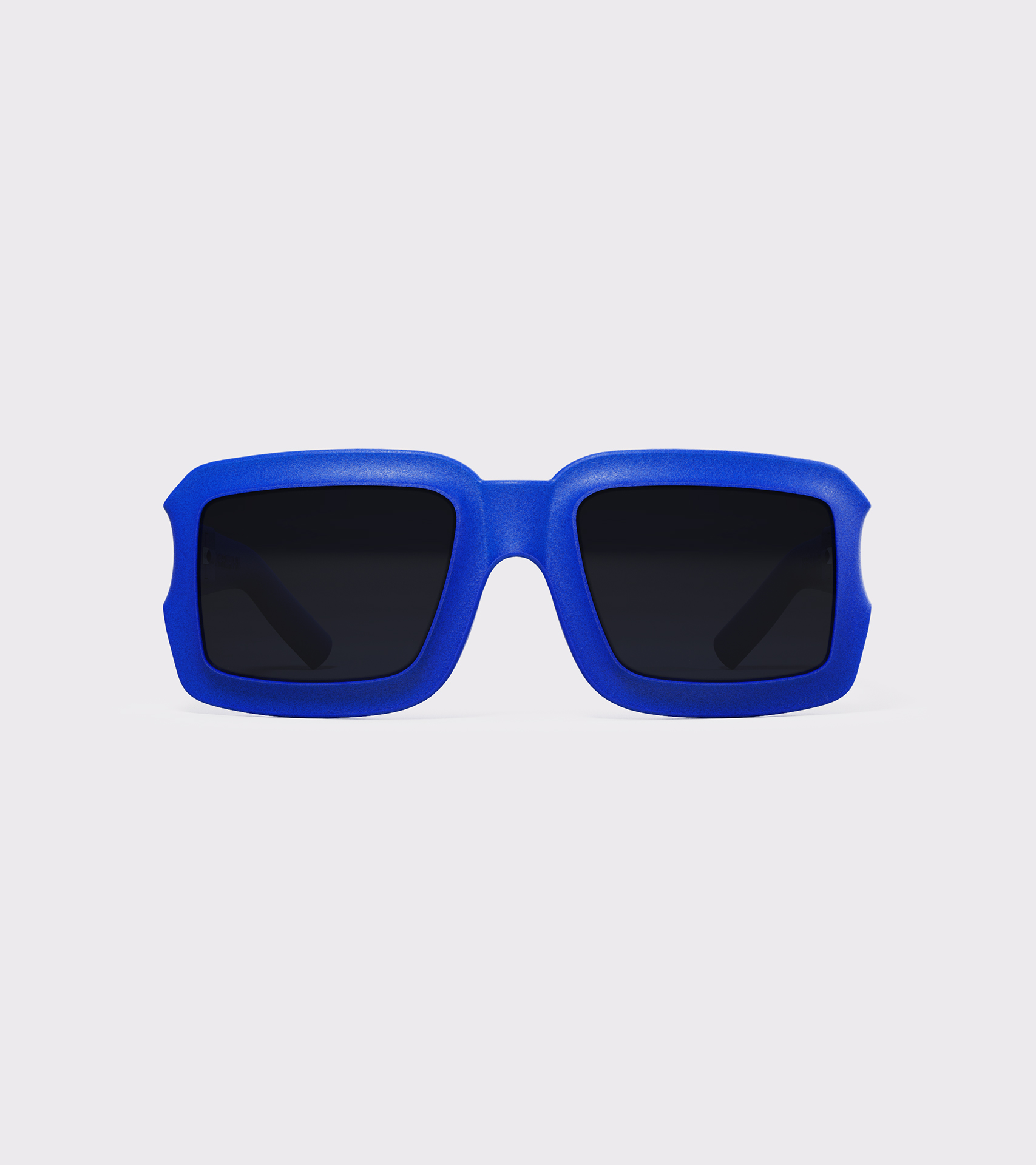
High Bridge
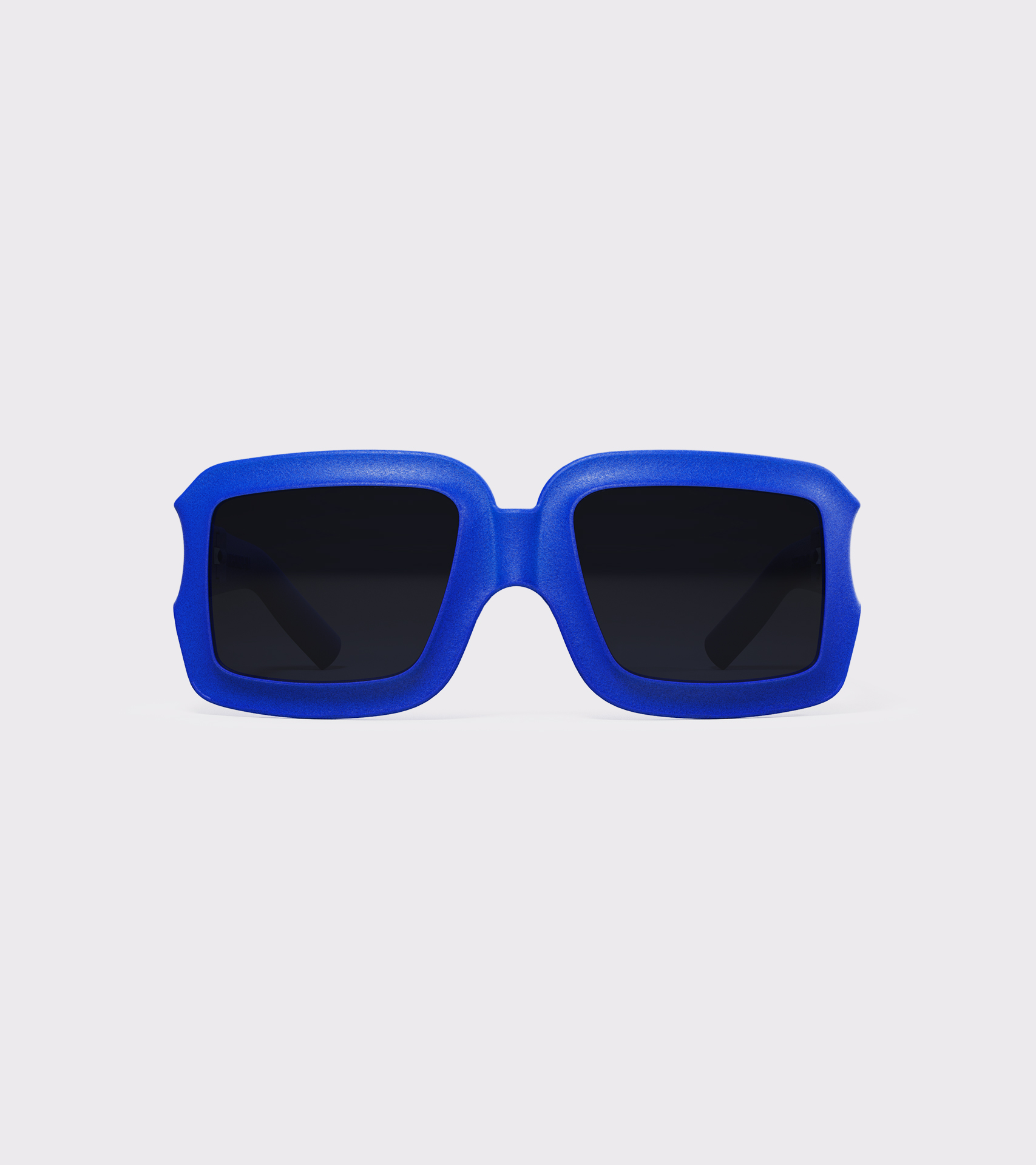
Low Bridge
Outcome
REFRAMD Fit established a repeatable approach to designing inclusive products. By reducing complex human variability into a structured system of parameters and configurations, it enables eyewear that is more comfortable, stable, and accessible.
The platform demonstrates how computational design can be used to create clarity rather than complexity, connecting human data, design intent, and manufacturable outcomes into a single system.