
REFRAMD
Designing inclusive eyewear through controlled systems

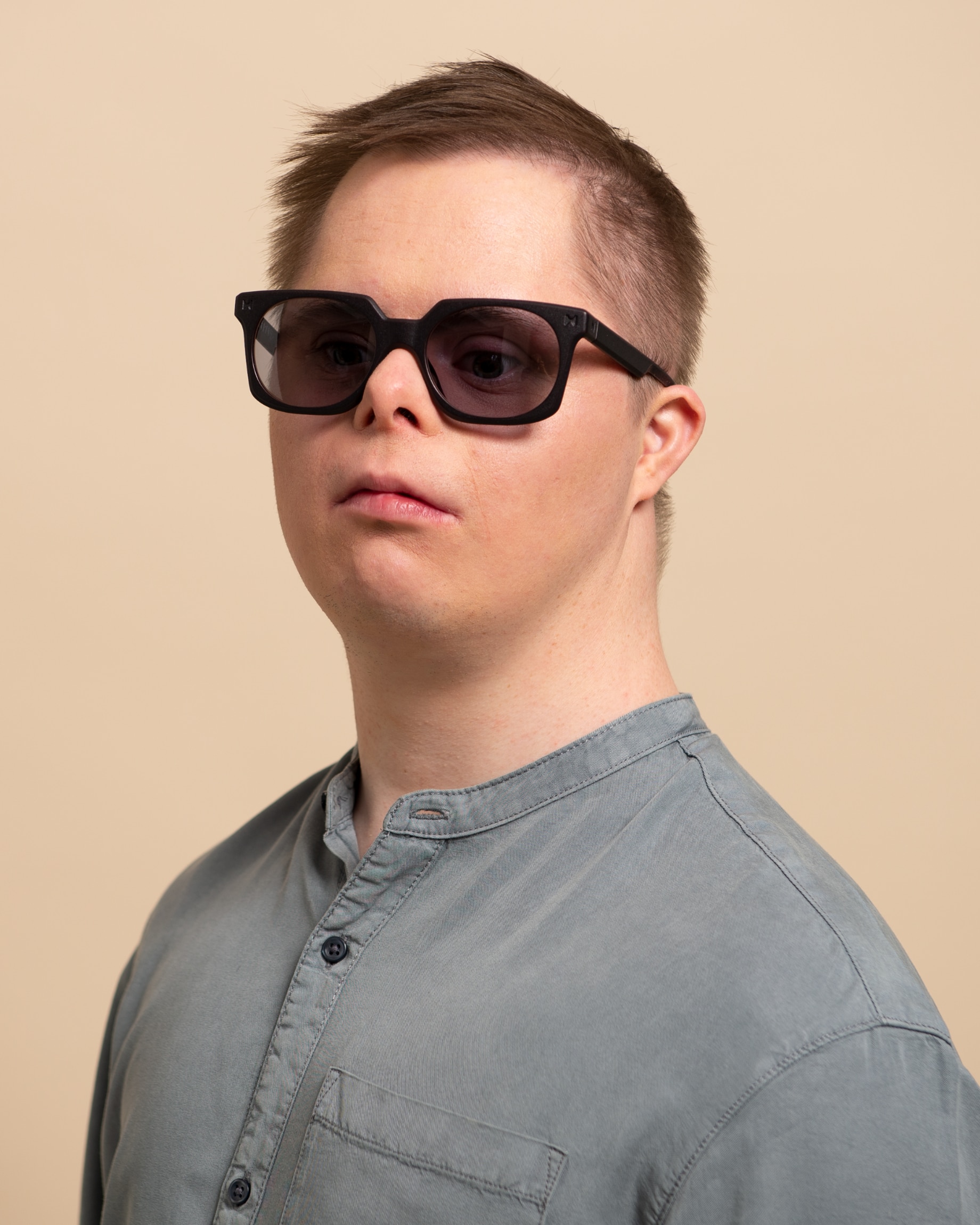
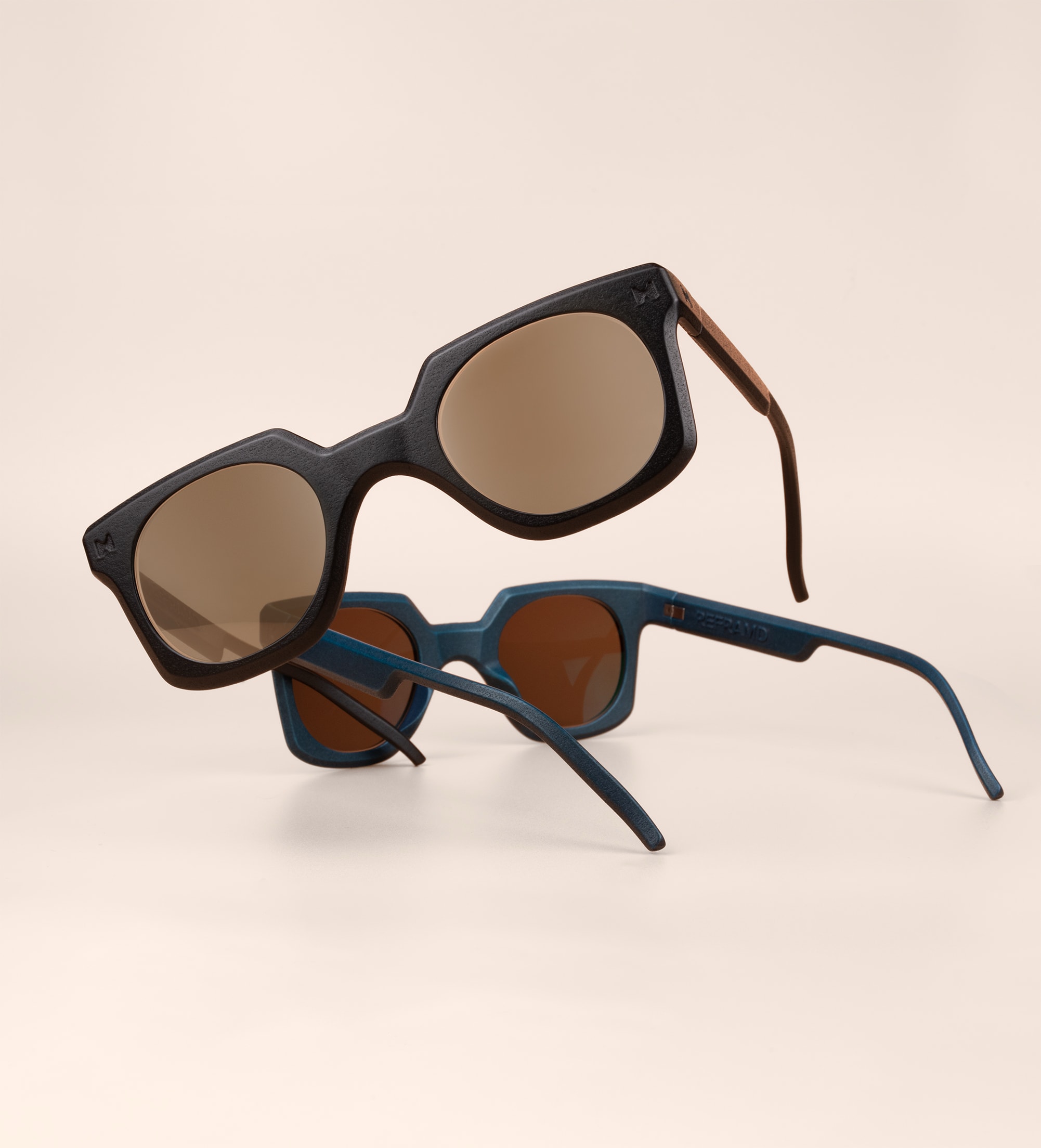
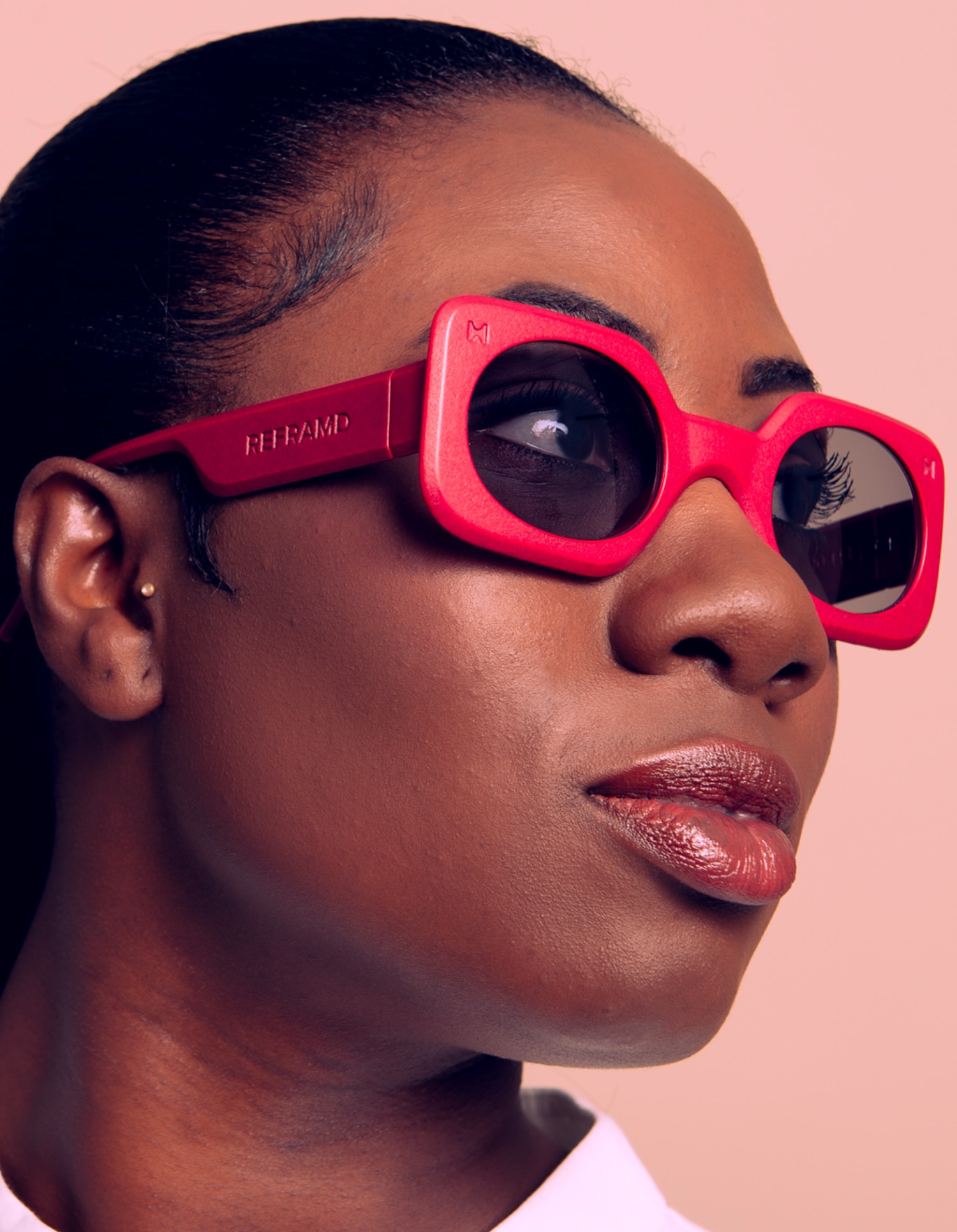
REFRAMD is an eyewear platform developed to address a fundamental limitation in the industry: the lack of consideration for diverse facial geometries. Conventional eyewear is typically designed around a narrow set of assumptions, resulting in poor fit, reduced comfort, and limited accessibility for many users.
REFRAMD introduces a system-based approach to product design, where human variability is integrated into the development process from the outset. By combining data-informed fit logic with controlled geometry, the platform enables inclusive eyewear.
Design Intent
The goal of REFRAMD was to rethink how eyewear is designed and produced. Instead of adapting users to predefined products, the system adapts the product to the individual.
This required identifying the key aspects of facial geometry that influence how a frame sits on the face, and translating them into parameters that can directly control design outcomes. The intent was not only to improve comfort, but to establish a more inclusive approach to product development.
From Human Data to Geometry
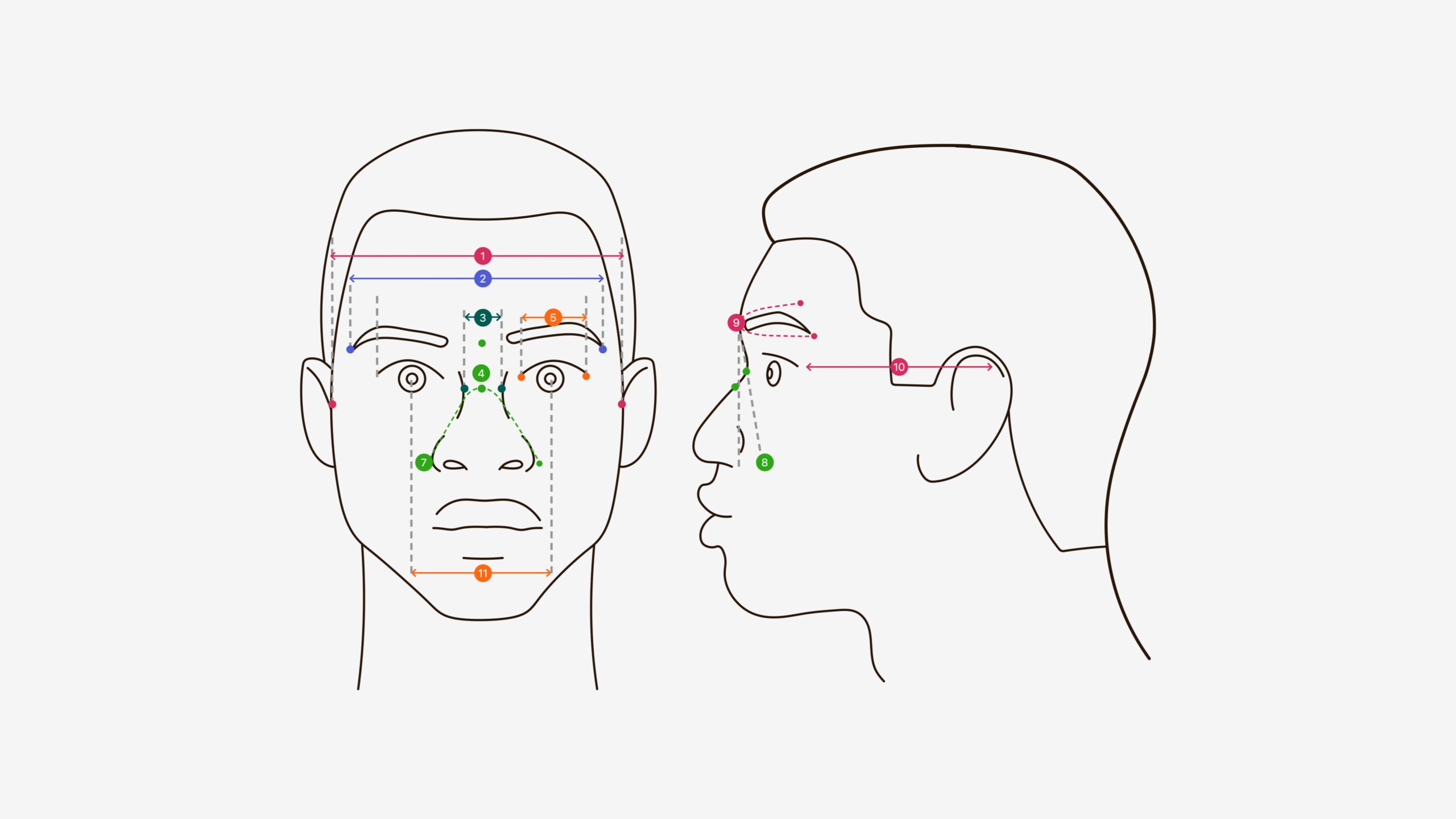
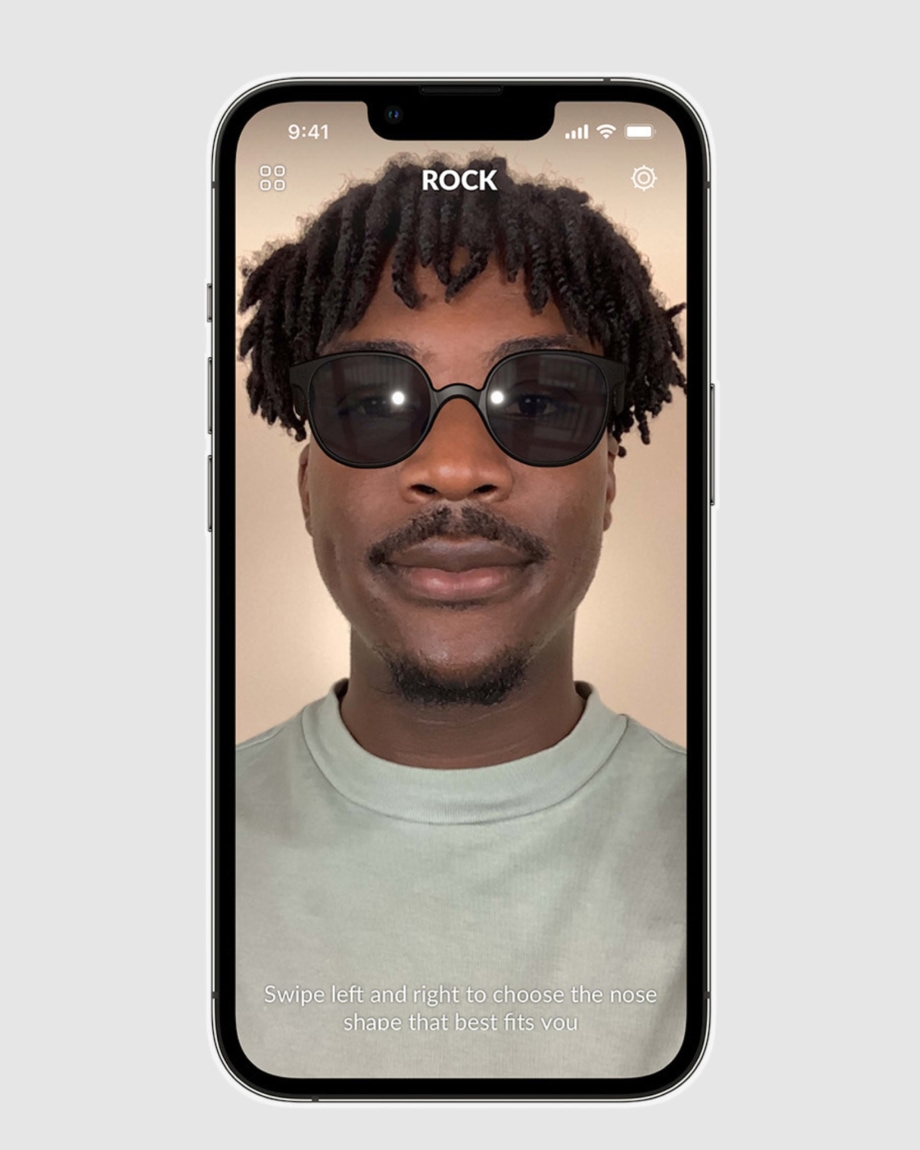
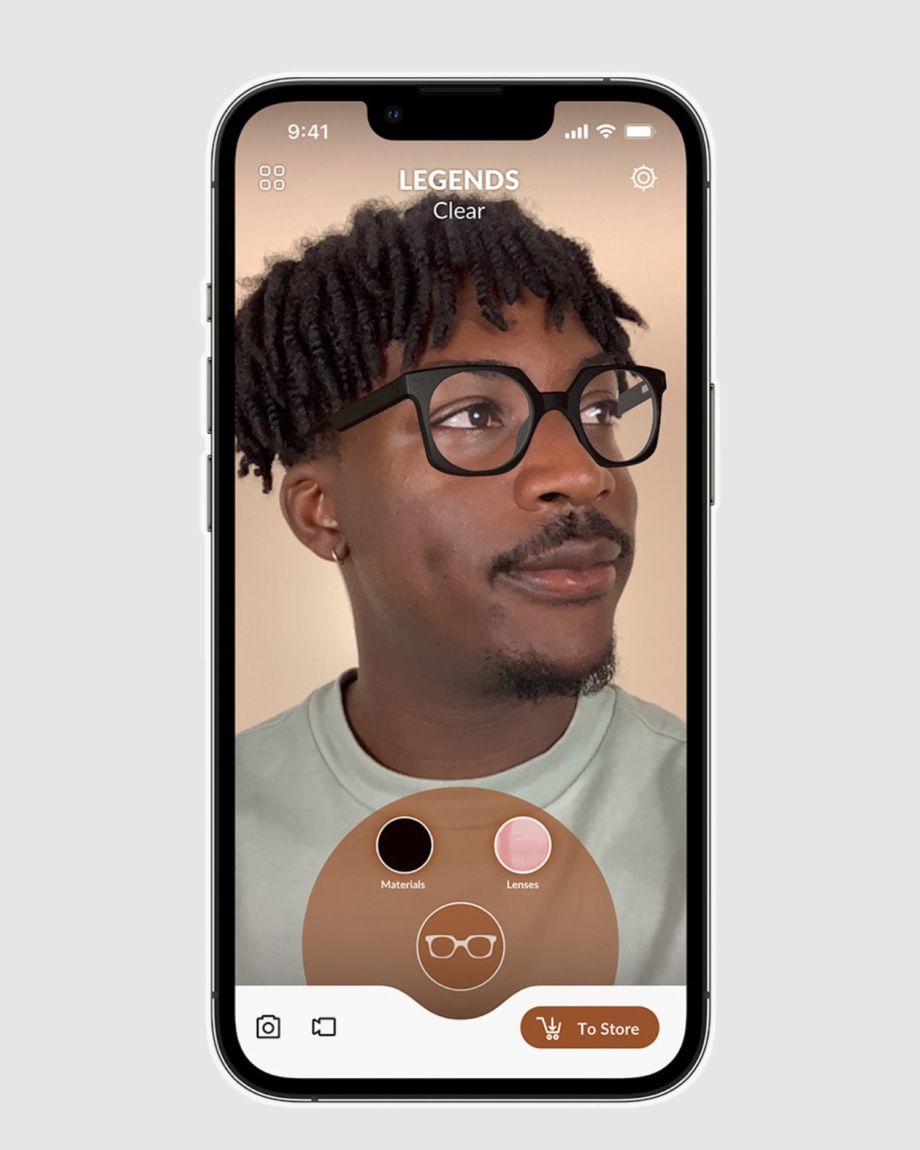
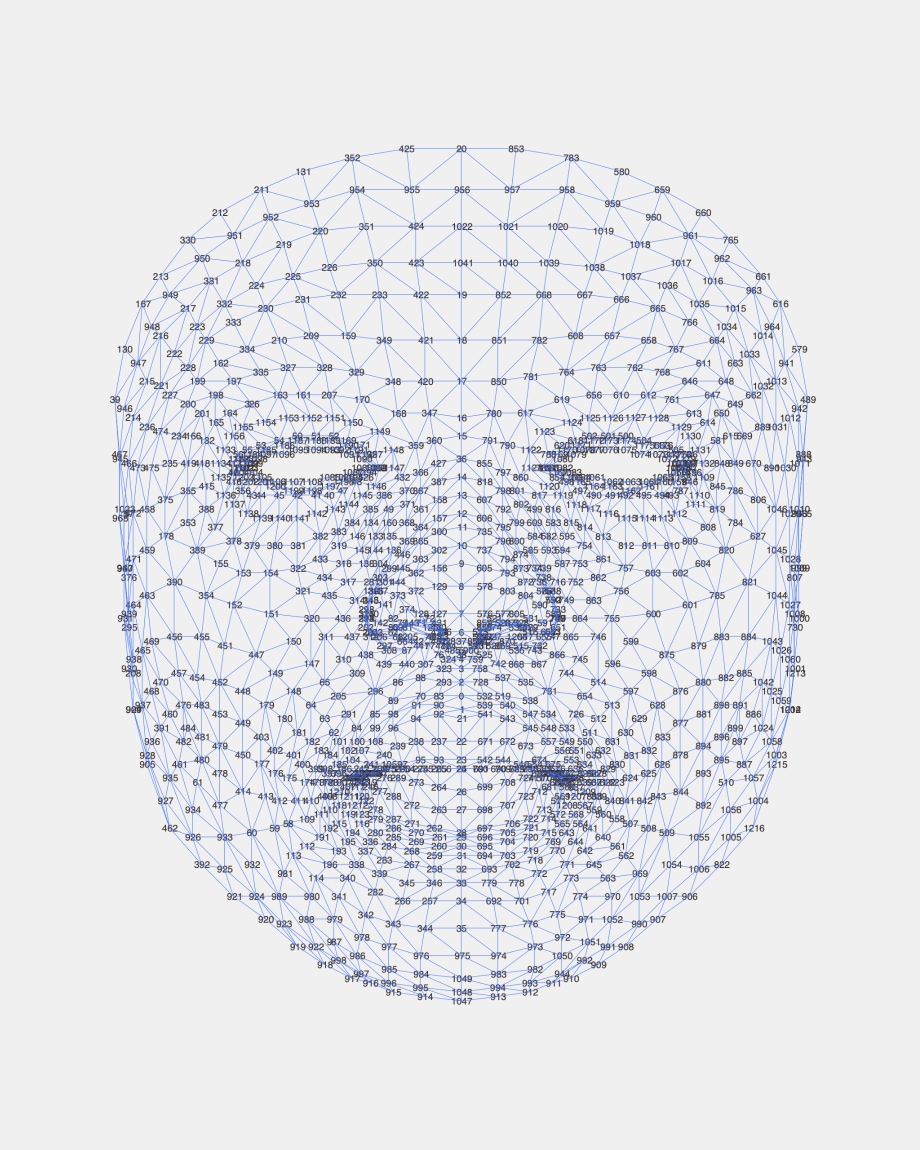
REFRAMD begins with the capture and analysis of facial geometry captured from the REFRAMD Fit app. Using a consistent, scaled face mesh, key anatomical features are extracted and mapped to measurable parameters such as bridge width, bridge height, nose angle, and overall facial proportions.

Processing Facemesh Data
These parameters directly control the geometry of the frame, including dimensions, curvature, and contact areas. This creates a direct link between the individual user and the resulting product, ensuring that fit is embedded into the design rather than adjusted afterward.
The system generates production-ready geometry in seconds, allowing each frame to be uniquely configured while maintaining precision and consistency.
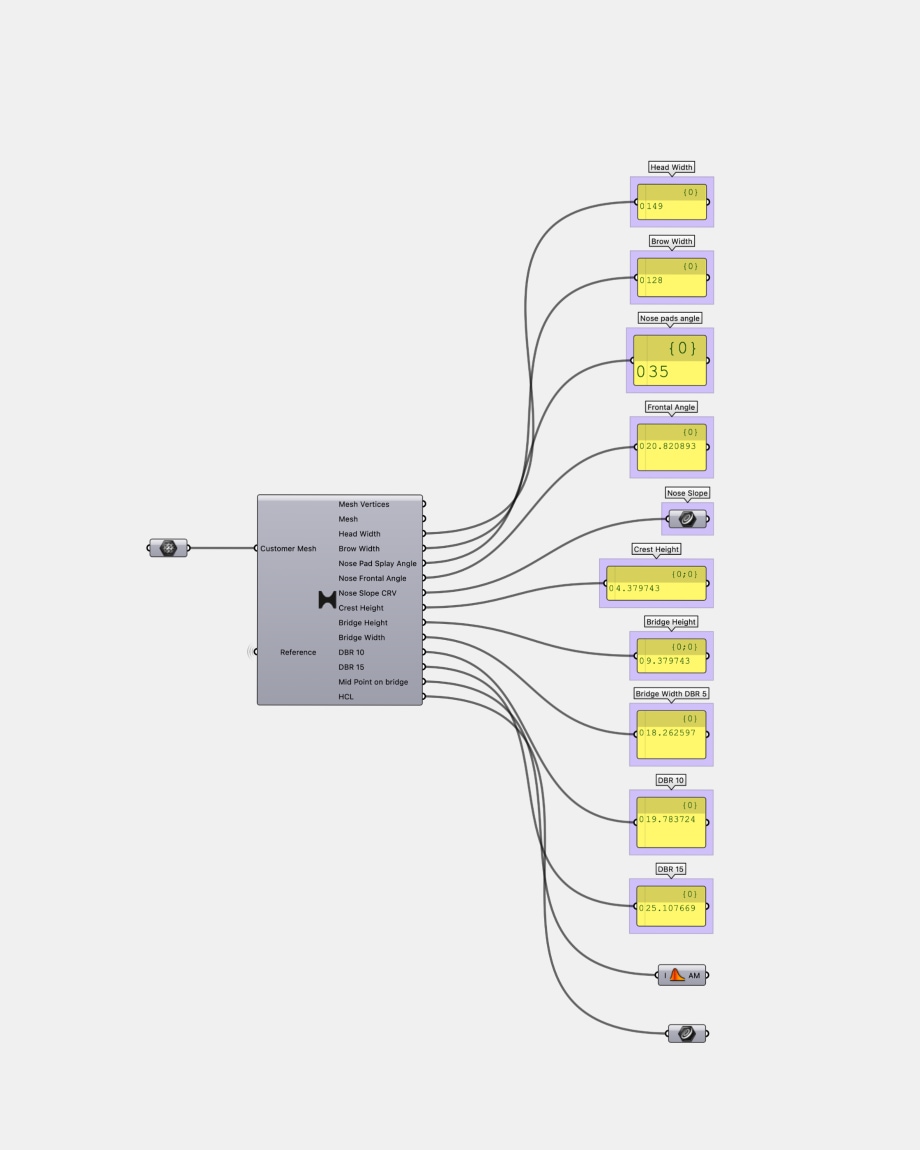
Computational Design Framework
To process the biometric data, I developed a flexible framework in Grasshopper capable of integrating dynamic inputs such as facial measurements and production constraints.
The diagram shows a high-level overview of the parametric definition, where a 2D frame outline and biometric face data serve as inputs. Through a series of computational operations, the system generates solid, production-ready frame geometry.
Frame Geometry Parameters
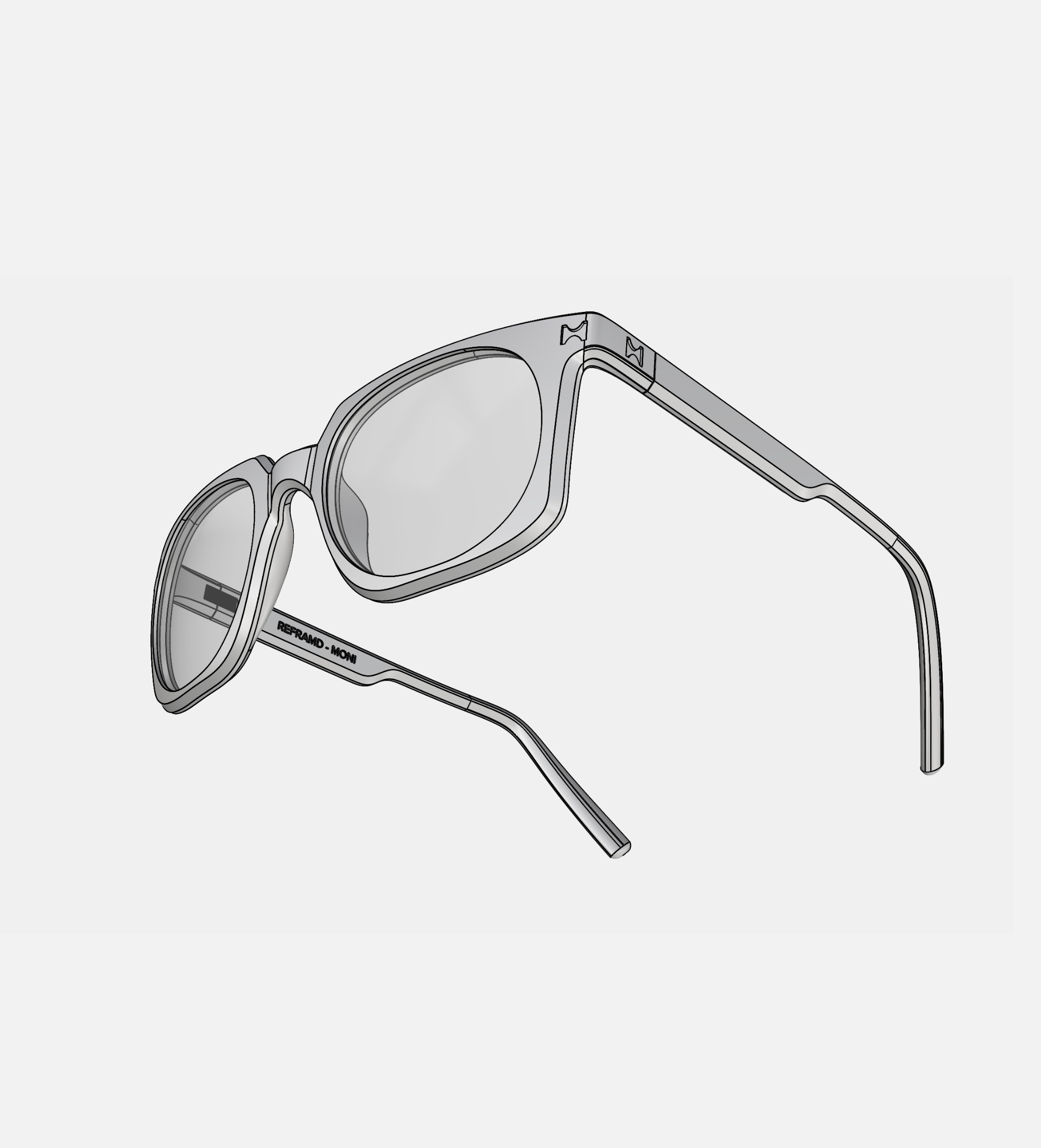
The frame geometry was developed through a parametric system that controls key ergonomic and optical parameters. These include bridge width, face form angle, pantoscopic tilt, temple splay, and bridge angle. By adjusting these variables, the design can be adapted to different facial geometries while maintaining the intended aesthetic and structural performance of the frame.
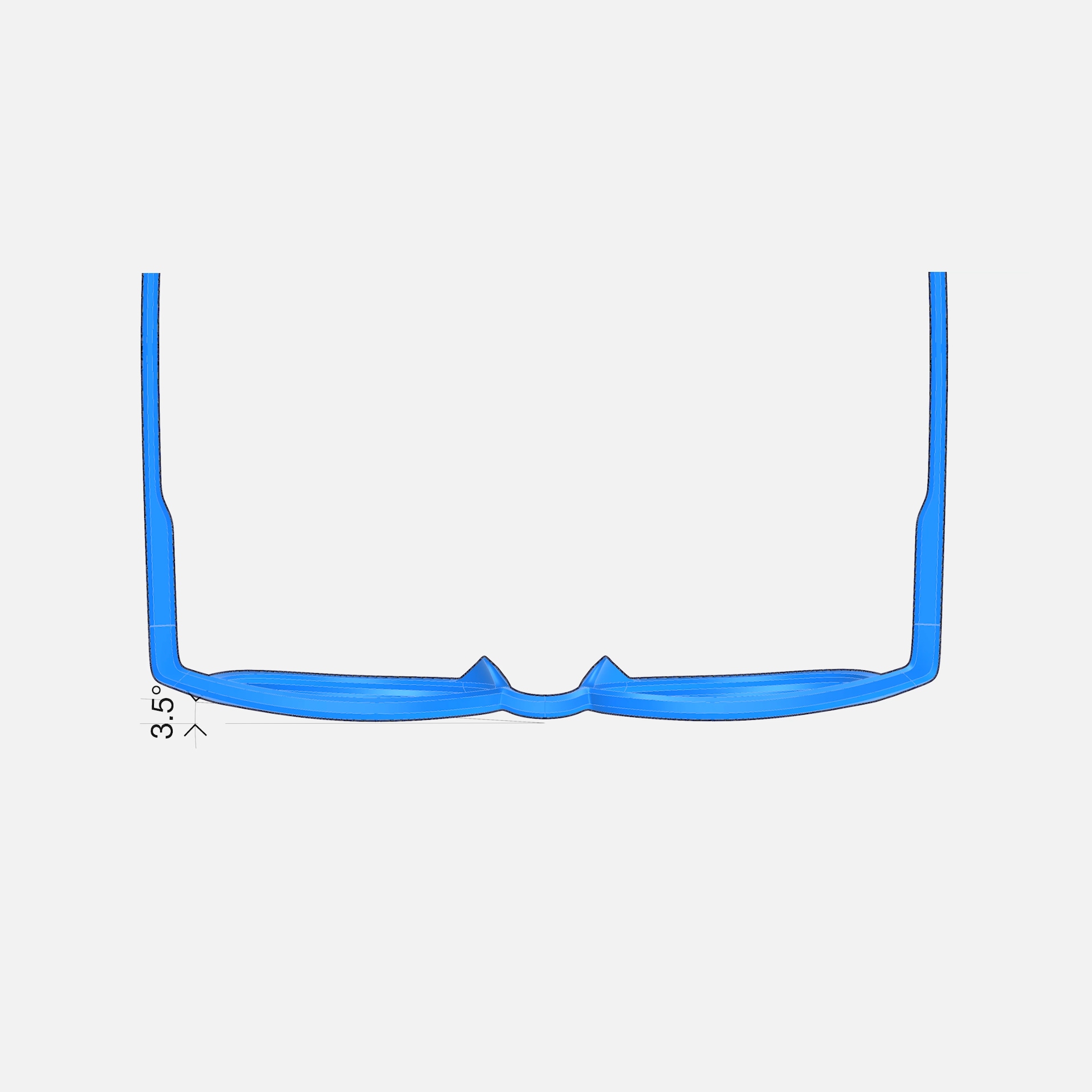
Face Form Angle
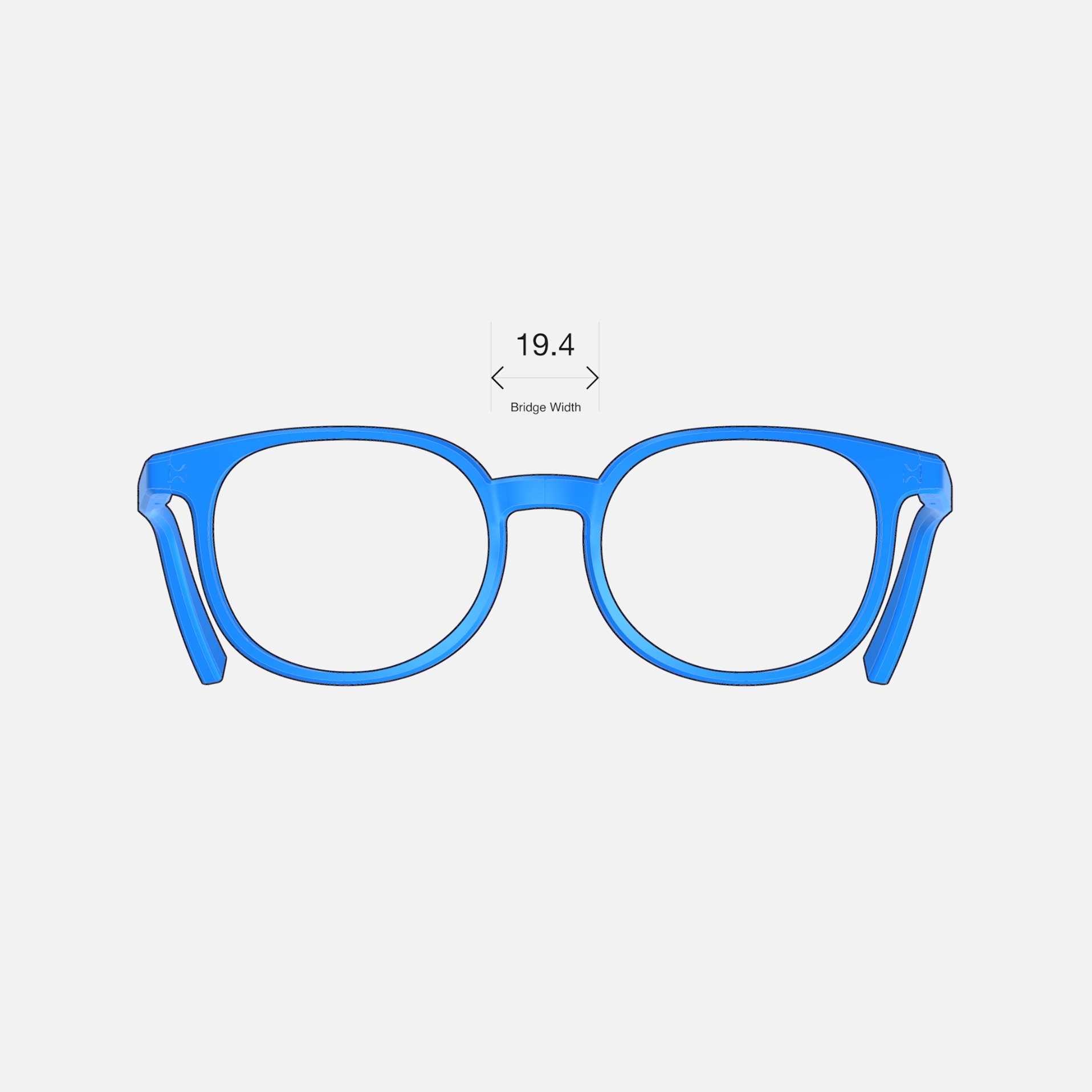
Bridge Width
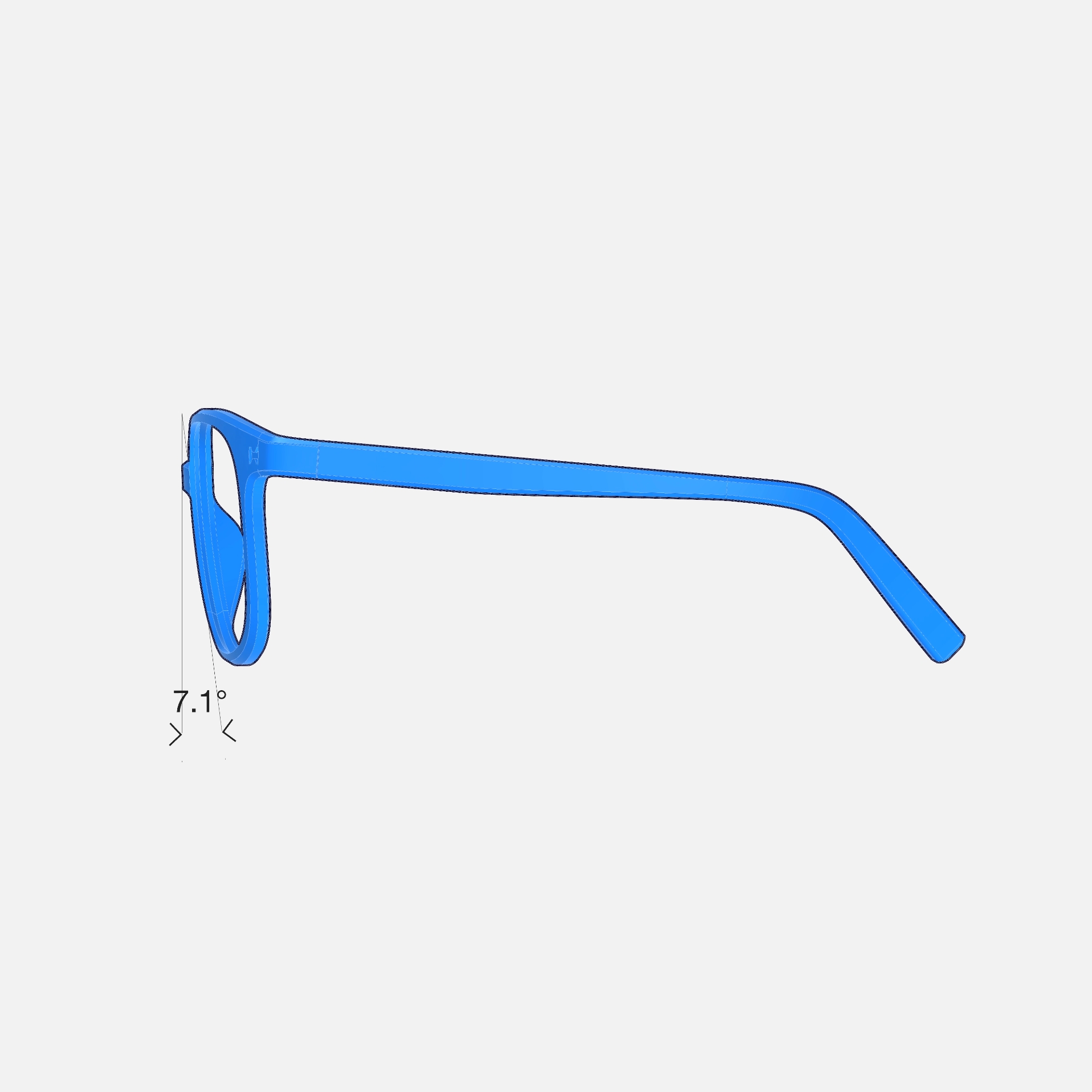
Pantoscopic Tilt
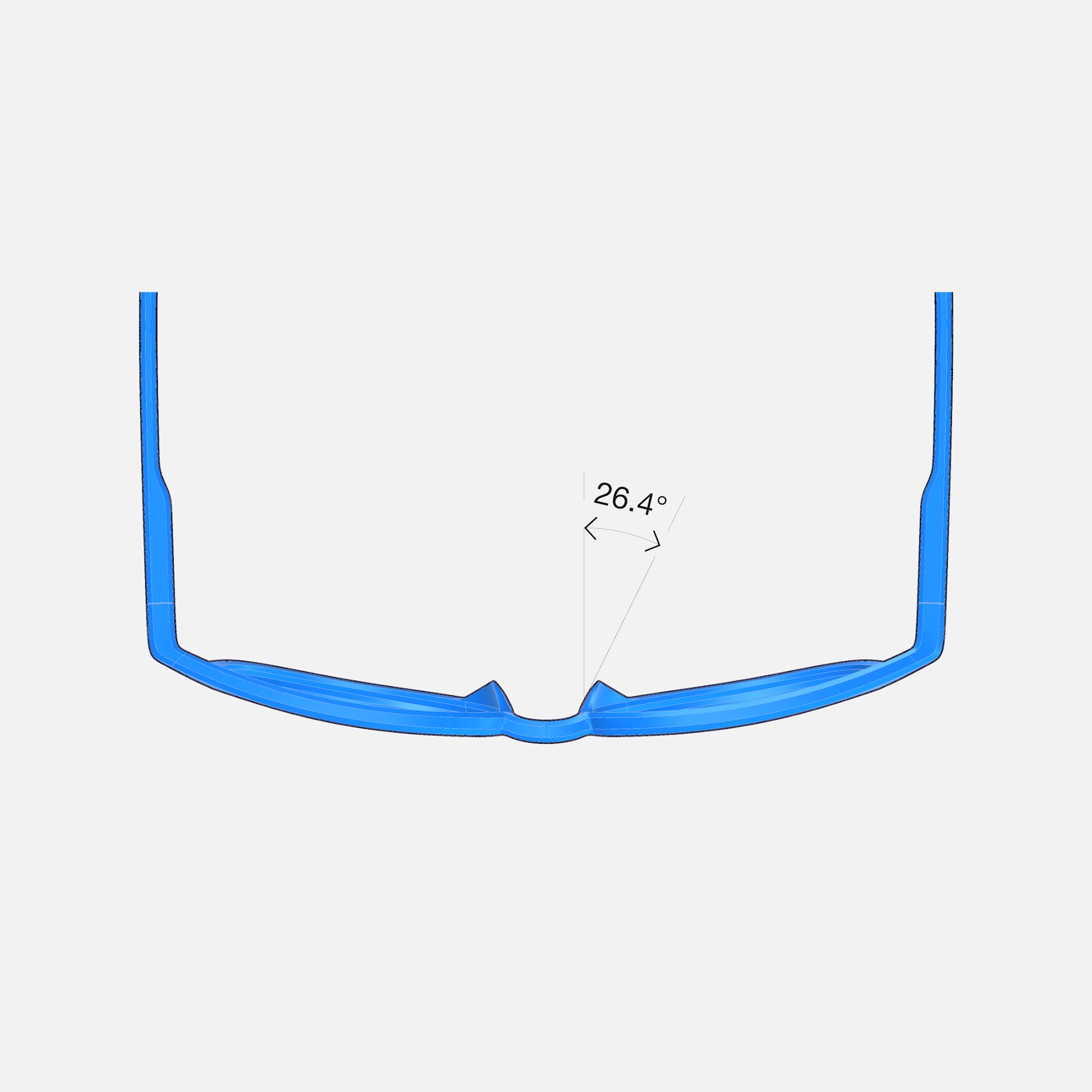
Bridge Angle
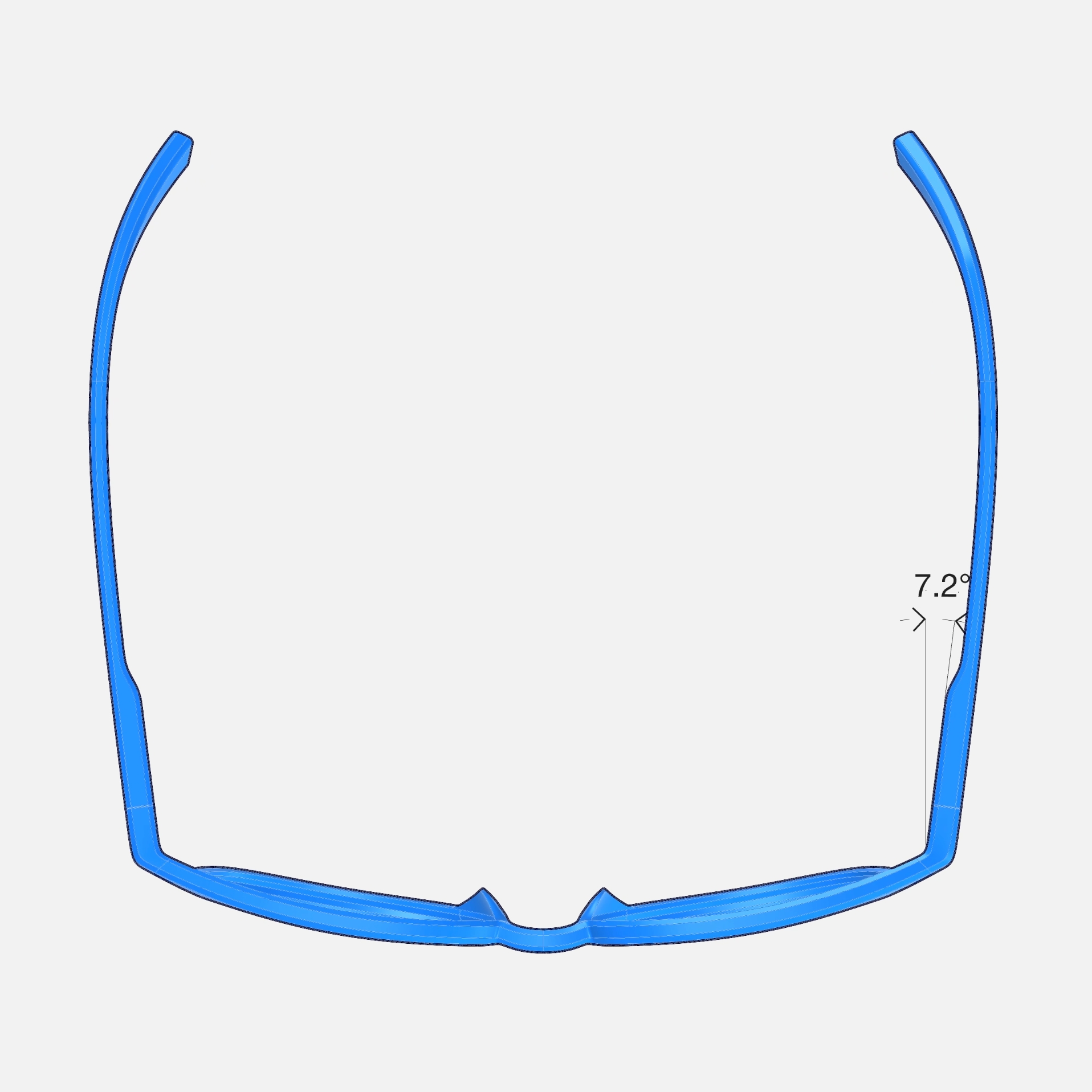
Temple Splay Angle
Production & Constraints
The system operates within real production constraints, including manufacturability, tolerance limits, and material behavior. These constraints are embedded into the design process, ensuring that each generated frame is feasible to produce and durable in use.
Balancing individual customization with consistent production quality was a key challenge, requiring precise control over both geometry and parameters.

Output
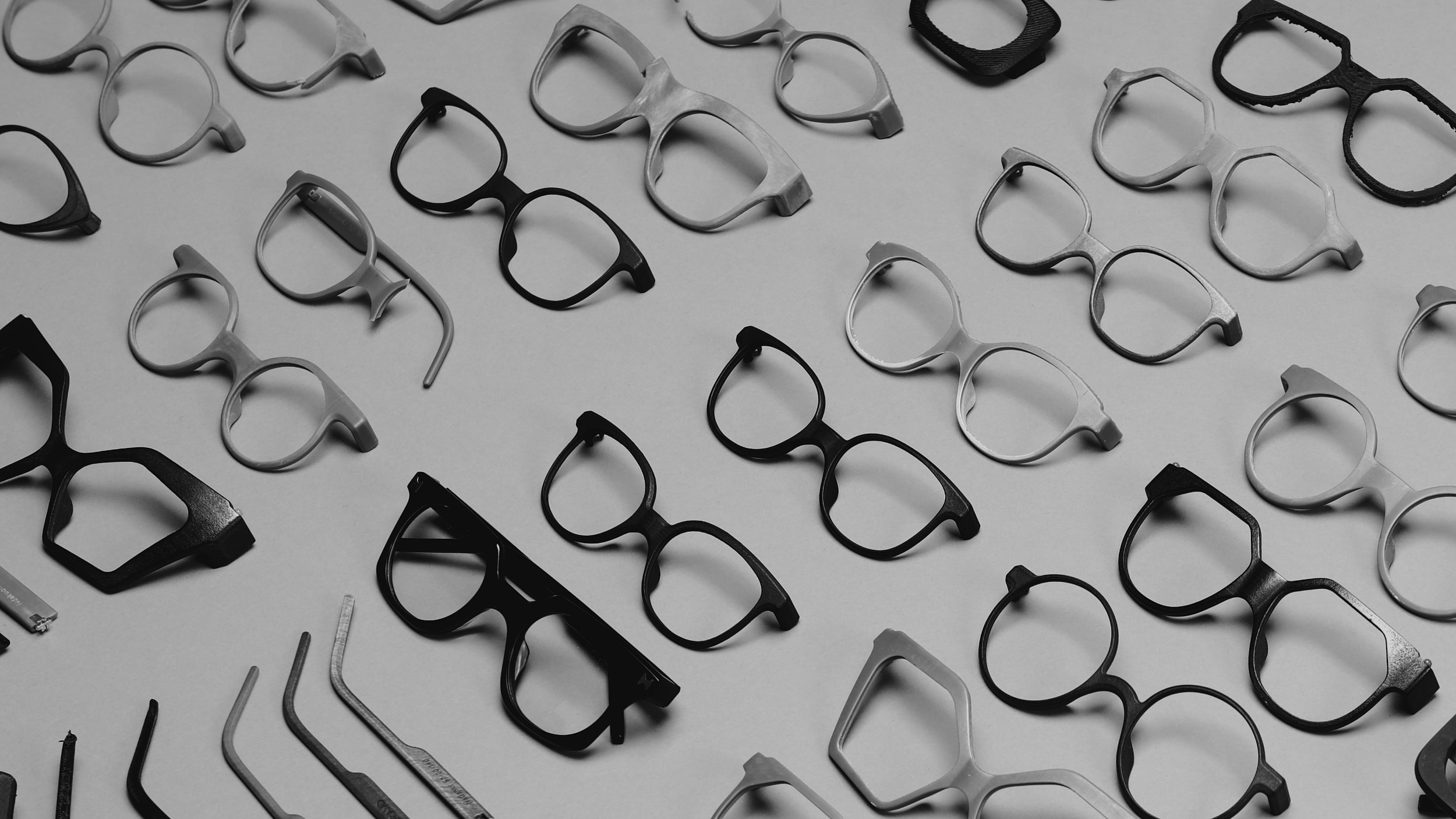
REFRAMD demonstrates how computational design can be used to connect human data directly to physical products. By generating geometry from individual facial characteristics, the platform enables eyewear that is more inclusive, better fitting, and more responsive to real users.
It establishes an approach where customization is not an exception, but an integral part of the design process.